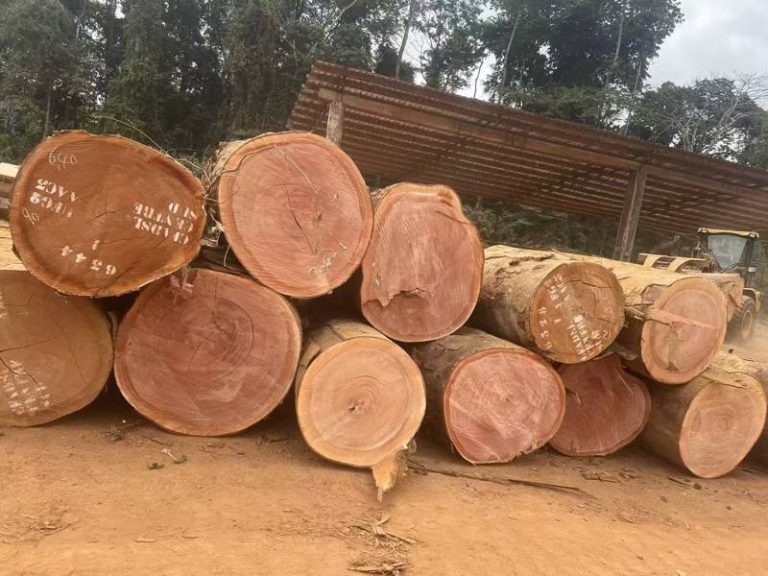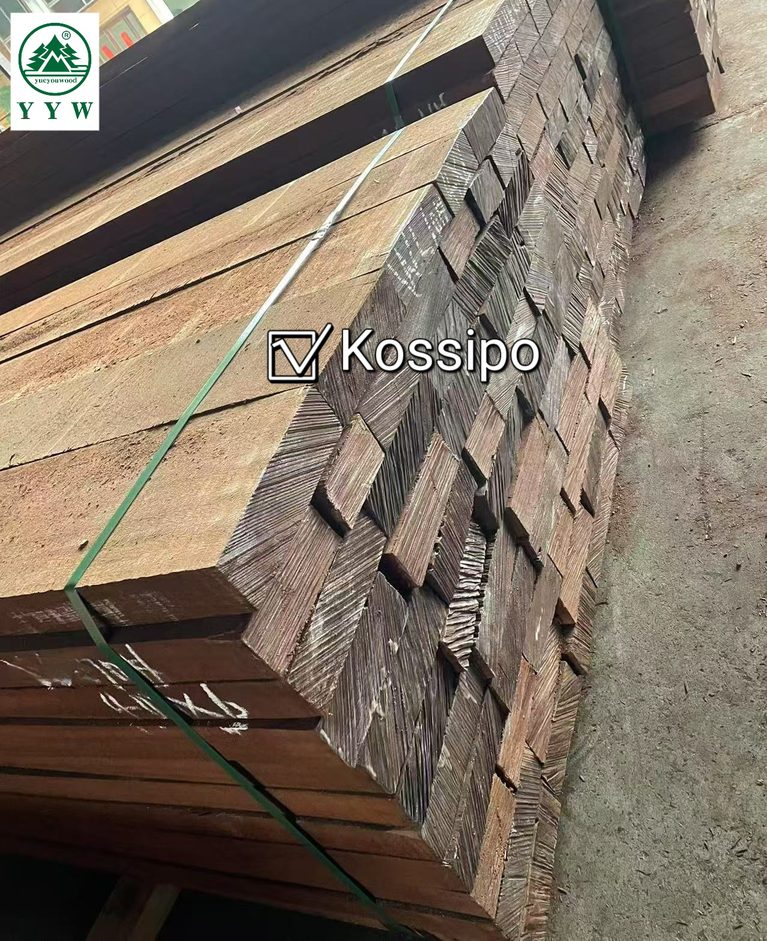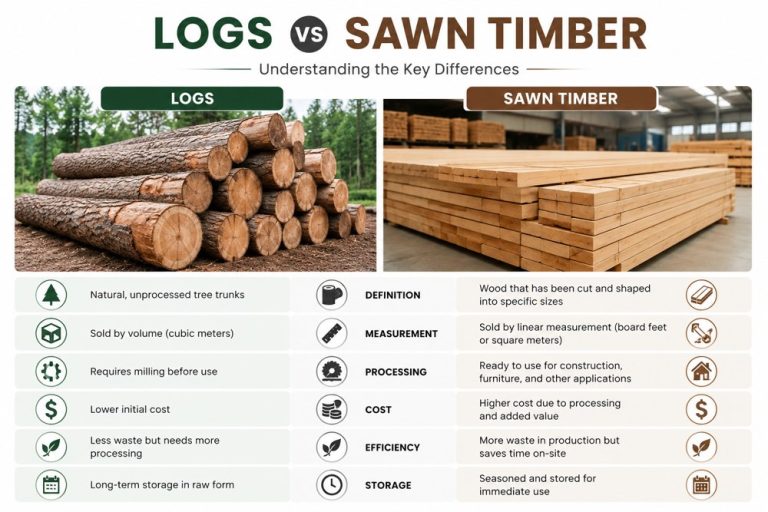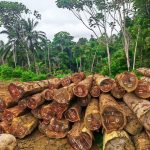
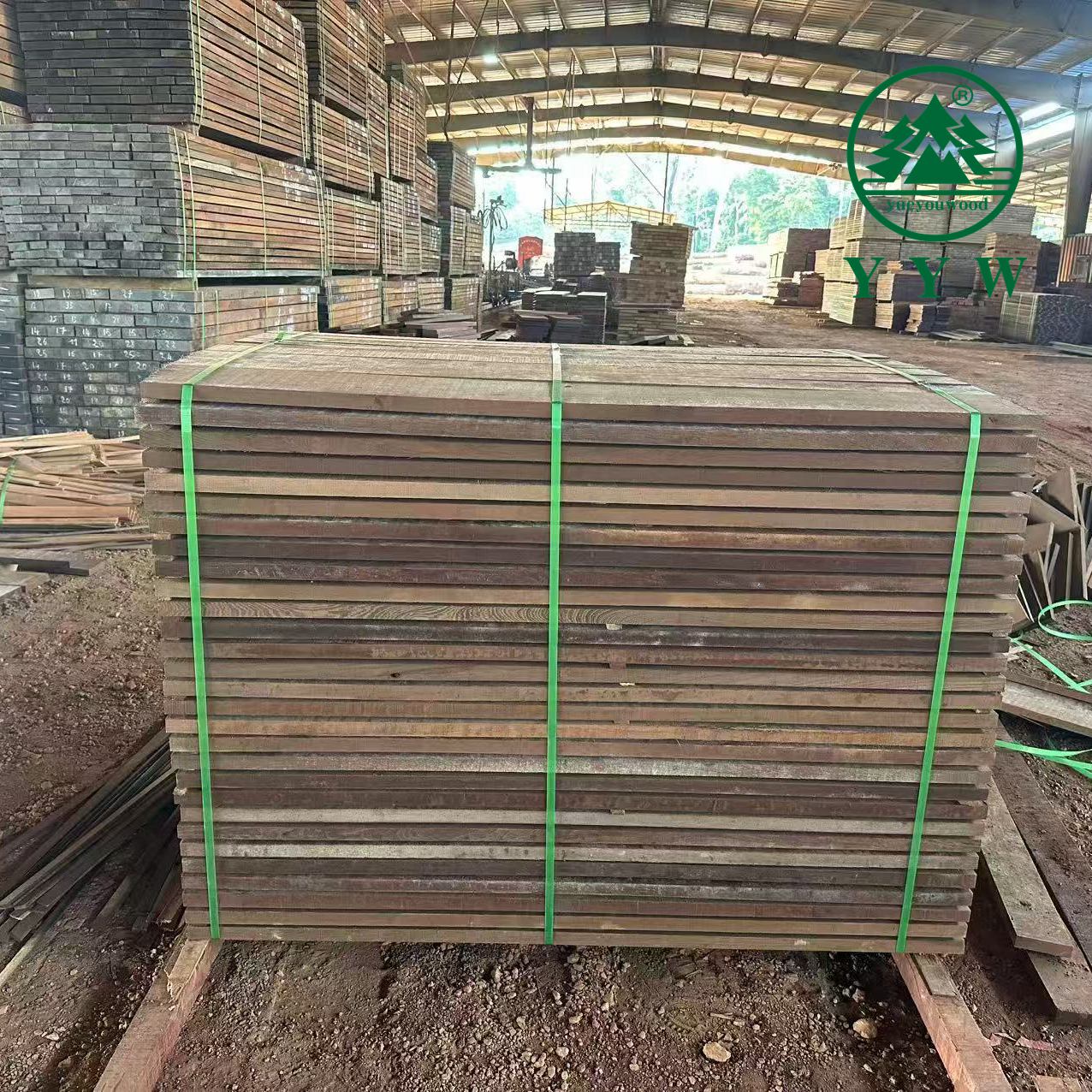
Prevent Wenge wood splitting by implementing controlled kiln drying protocols and immediate end-sealing of Log Cants. Wenge (Millettia laurentii) is a high-density African hardwood prone to checking; achieving a 15% reduction in processing waste through moisture equilibrium management yields a significant ROI for industrial woodworking operations and global wholesalers.
Key Takeaways for Wenge Processing
- Immediate End-Sealing: Apply wax-based sealants to log ends within hours of felling to prevent rapid longitudinal moisture loss.
- Conservative Drying: Utilize a slow T3-C2 kiln schedule to mitigate internal stresses in FAS Grade Sawn Timber.
- Controlled Environment: Maintain a relative humidity that targets an Equilibrium Moisture Content (EMC) of 8-10% for export quality.
- Precision Tooling: Use carbide-tipped blades with a 15-degree hook angle to reduce mechanical grain separation.
- Legal Assurance: Ensure all timber carries CITES and FSC certification to guarantee legal compliance and market access.
Understanding the Cellular Mechanics of Wenge Splitting
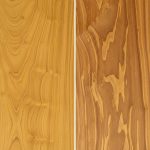
Wenge, scientifically known as Millettia laurentii, is a premium African hardwood celebrated for its dark chocolate hues and distinctive “partridge wood” grain. However, its high density (approximately 880 kg/m³) and interlocked grain structure present unique challenges during the conversion of Log Cants into Sawn Timber. Splitting typically occurs when the rate of evaporation from the wood surface exceeds the rate of moisture movement from the core to the surface. Consequently, the exterior fibers shrink against a rigid, wet core, leading to surface checking and catastrophic end splits.
To effectively prevent Wenge wood splitting, engineers must understand the T/R ratio (Tangential to Radial shrinkage ratio). Wenge exhibits a relatively high volumetric shrinkage. When the moisture content (MC) drops below the fiber saturation point (FSP), the differential shrinkage between the tangential and radial planes creates internal tension. If these stresses exceed the wood’s modulus of rupture, the timber will split. Therefore, managing the drying gradient is the most critical factor in preserving the integrity of high-value FAS Grade boards.
The Technical Specification Matrix for Millettia laurentii
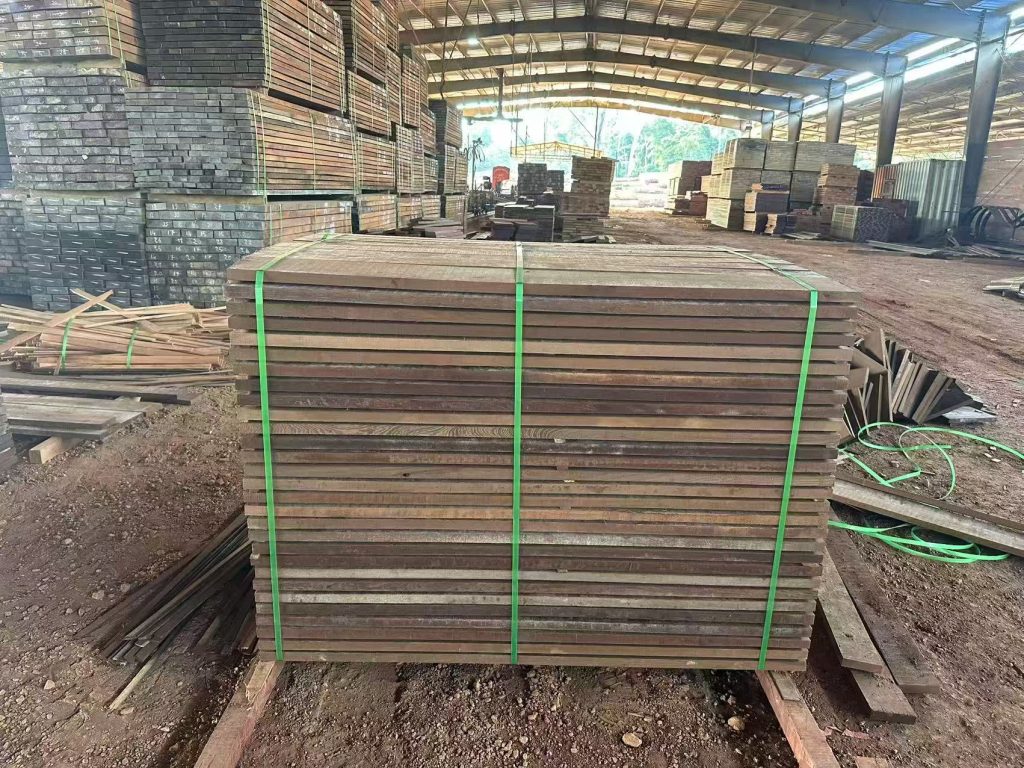
Technical data is essential for setting kiln parameters and machining speeds. Below are the physical properties that influence how we prevent Wenge wood splitting during industrial production.
| Property | Measurement / Value | Impact on Processing |
|---|---|---|
| Density (at 12% MC) | 880 kg/m³ (Heavy) | Requires high-torque sawing equipment |
| Radial Shrinkage | 5.9% | Moderate risk of cupping |
| Tangential Shrinkage | 9.1% | High risk of surface checking |
| T/R Ratio | 1.54 | Relatively stable if dried slowly |
| Fiber Saturation Point | ~24% MC | Critical point where splitting begins |
| Hardness (Janka) | 1,930 lbf | Rapidly dulls standard steel tools |
Advanced Strategies for Moisture Equilibrium Management
Managing the drying process is the primary method to prevent Wenge wood splitting. Industrial kilns must be calibrated to a conservative schedule. Specifically, a low-temperature, high-humidity start is necessary to keep the wood’s surface “open.” If the surface dries too quickly, a condition known as “case hardening” occurs. Case hardening traps moisture in the center, which eventually leads to honeycombing—internal splits that are invisible until the wood is cross-cut.
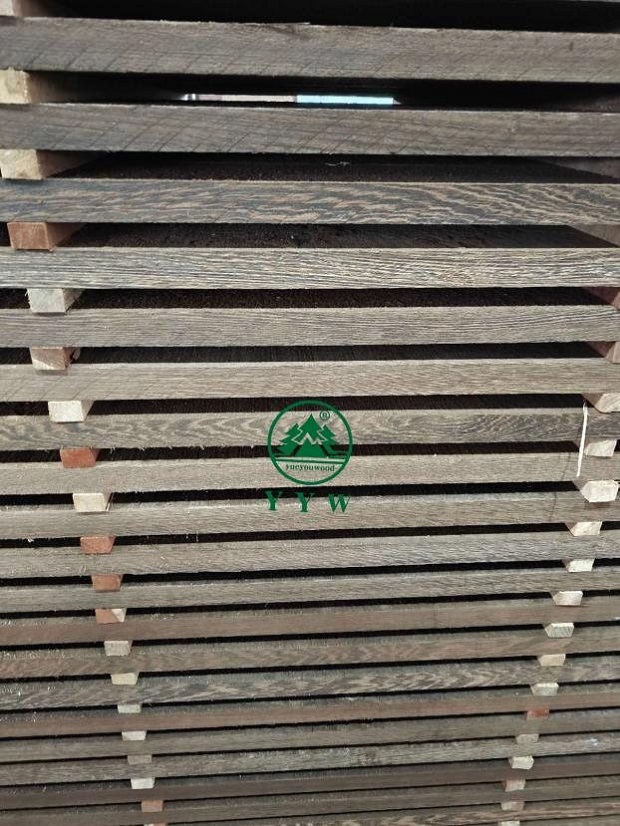
For quality Sawn Timber, we recommend a moisture content (MC) target of 10-12% for most international markets. During the drying cycle, frequent MC checks using pin-less meters are mandatory. Furthermore, utilizing steam injection in the kiln during the final stages helps to relieve drying stresses, effectively conditioning the wood. This process ensures that the internal and external fibers reach a state of equilibrium, significantly reducing the likelihood of post-processing movement.
Precision Sawing and Machining for FAS Grade Wenge
The mechanical action of sawing can introduce micro-fractures that later expand into major splits. When processing Log Cants into FAS Grade timber, the choice of blade and feed speed is paramount. High-density hardwoods like Wenge generate significant heat during friction. Excessive heat can dry out the local area near the cut, triggering localized splits. Consequently, using carbide-tipped or Stellite-tipped blades is non-negotiable for maintaining edge retention and reducing heat buildup.
Additionally, the grain orientation during the first break-down of the log impacts stability. Quarter-sawing Wenge produces the most stable boards with the least tangential shrinkage across the width. While plain-sawing yields a higher volume, it also increases the surface area prone to checking. For premium African hardwood exports, manufacturers should prioritize stability over raw volume to minimize waste and satisfy high-end importers.
Storage and Post-Processing Conditioning
Once Wenge is sawn and dried, the risk of splitting does not vanish. Storage conditions in the warehouse must mirror the intended destination’s environment. For instance, if Sawn Timber is stored in a drafty, unheated warehouse, it will lose or gain moisture too rapidly. This atmospheric shock is a leading cause of end splitting in finished components. Using end-sealer on all fresh cross-cuts, even on dried boards, is a best practice that prevents longitudinal drying.
Furthermore, professional woodworkers should allow Wenge to acclimate to the workshop environment for at least 7-14 days before final machining. This “resting” period allows any residual internal stresses to dissipate. Resultantly, the final product remains stable, preserving the reputation of both the supplier and the manufacturer in the global trade landscape.
Legal Compliance: CITES, FSC, and FLEGT in Timber Trade
In the modern timber industry, preventing Wenge wood splitting is only half the battle; ensuring the legality of the fiber is equally critical. Wenge is listed on the IUCN Red List as Endangered and is subject to strict export regulations in many African nations. At YYW Timber, we prioritize sourcing from concessions that adhere to FSC (Forest Stewardship Council) and CITES guidelines. These certifications ensure that the timber is harvested sustainably and legally.
Adhering to FLEGT (Forest Law Enforcement, Governance and Trade) standards also simplifies the import process for European and North American buyers. By choosing certified FAS Grade Wenge, importers avoid the risk of legal seizures and contribute to the preservation of African forest ecosystems. Reliability in supply chain ethics is as important as the technical quality of the wood itself.
Frequently Asked Questions About Wenge Splitting
Optimize Your Timber Production Today
Achieving a split-free finish on African Wenge requires a combination of botanical knowledge, engineering precision, and patience. By implementing the strategies outlined in this guide—from immediate end-sealing to conservative kiln schedules—you can ensure your production line maintains the highest standards of FAS Grade quality. Specifically, focusing on moisture equilibrium will protect your investment and enhance the durability of the final product.
I have spent two decades navigating the complexities of the African timber trade, and I have seen firsthand how proper processing transforms raw logs into world-class lumber. If you are looking for a reliable partner to supply high-quality, legally compliant Wenge or other African hardwoods, YYW Timber is here to assist. Contact us today to discuss your technical specifications and secure your supply of premium Sawn Timber.
Author: Lead Expert at YYW Timber – Specializing in African Hardwood Export & Global Logistics.