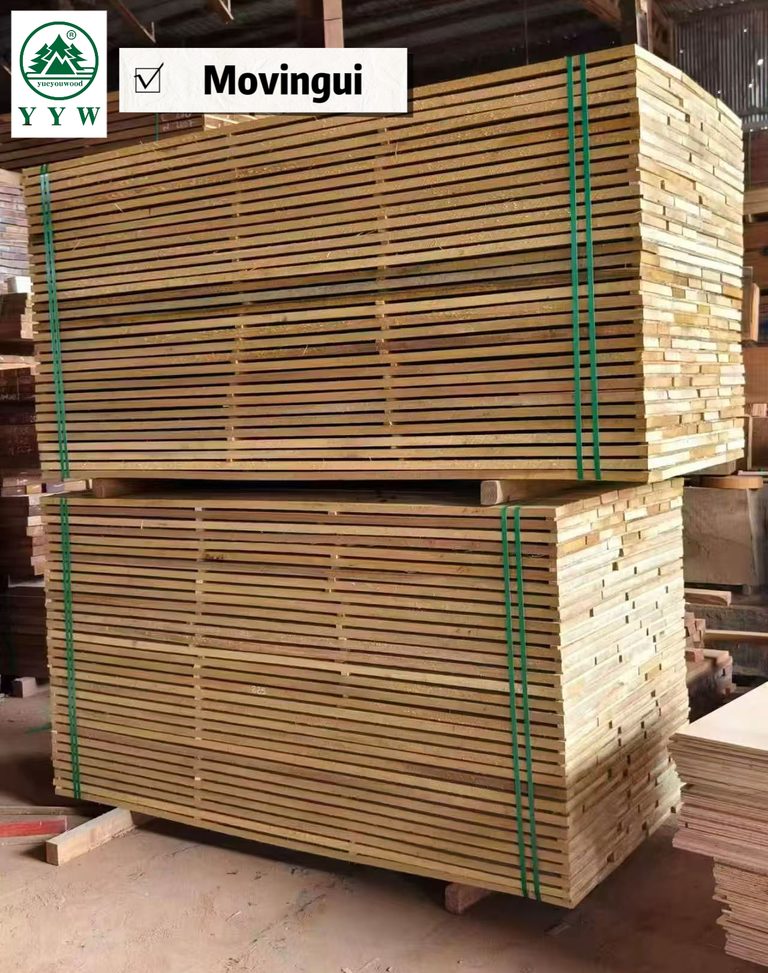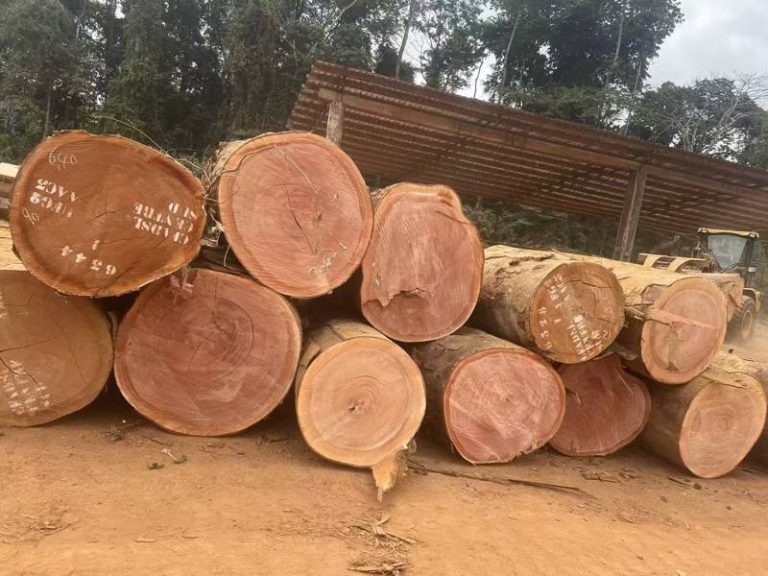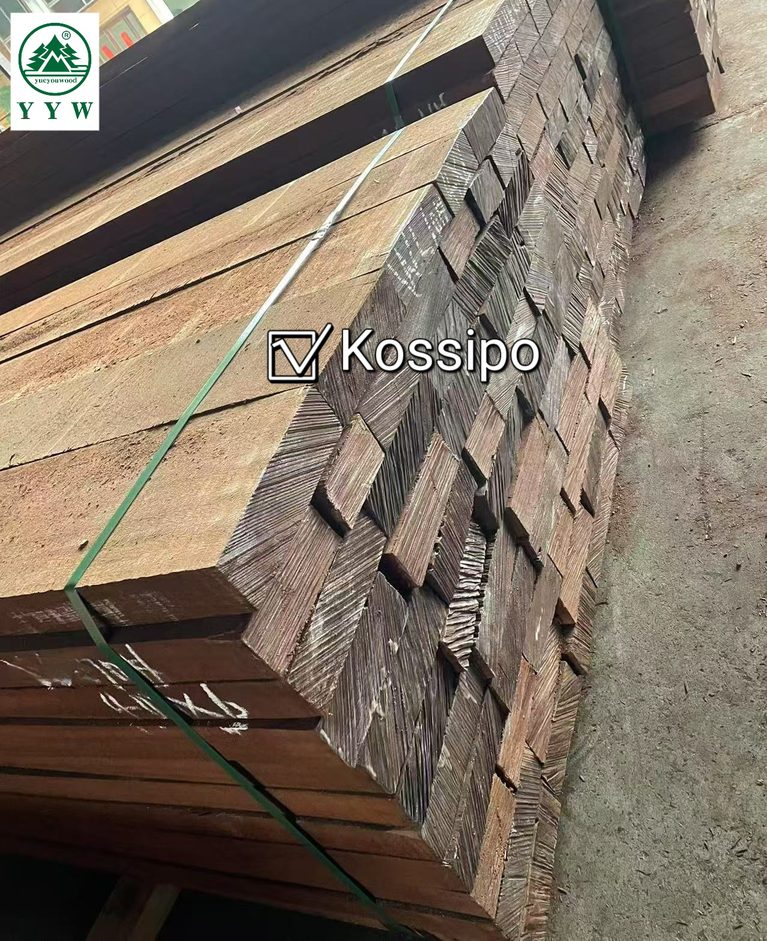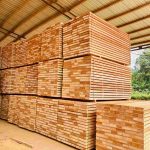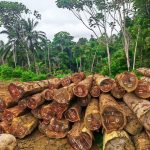
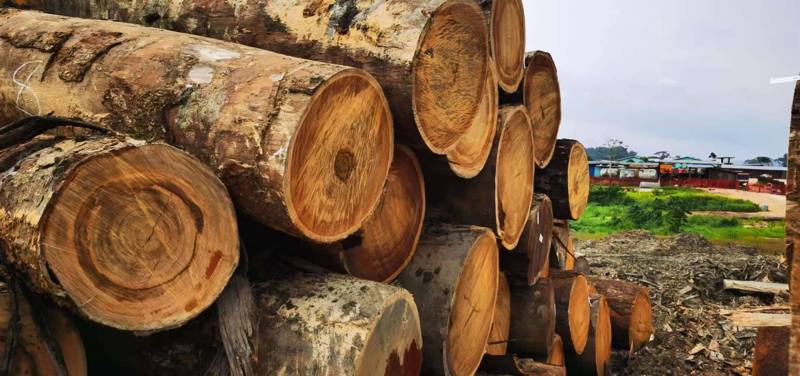
What is Tali Wood? Tali (Erythrophleum suaveolens) is a highly durable, ultra-dense African hardwood renowned for severe structural and marine applications. Offering a density exceeding 900 kg/m³, it delivers exceptional resistance to marine borers and termites. For commercial projects, FAS grade Tali sawn timber provides a high-ROI alternative to Azobe, ensuring long-term structural integrity in harsh environments.
Key Takeaways
- Extreme Durability: Tali wood offers Class 1 durability for heavy marine and railway construction projects globally.
- Cost Efficiency: Yields a substantial cost advantage over traditional Azobe while maintaining similar mechanical properties and structural resilience.
- Legal Compliance: Verify FSC and FLEGT certification to ensure sustainable log cants sourcing and environmental responsibility.
- FAS Grade Availability: Premium sawn timber is readily available in custom dimensions for wholesale importers and B2B system integrators.
What Is Tali Wood? An Introduction to African Hardwood
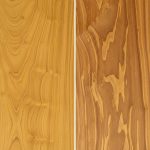
Are you wondering exactly what Tali wood is and how it can elevate your commercial construction projects? Scientifically known as Erythrophleum suaveolens, this magnificent timber originates from the dense tropical forests of West and Central Africa. Importers often source it from regions including Cameroon, the Republic of Congo, and Gabon. Tali is characterized by its interlocking grain and rich reddish-brown hue. Consequently, it presents a visually striking yet structurally impenetrable profile. As global timber markets evolve, B2B system integrators increasingly recognize this species as a cornerstone for heavy-duty engineering applications.
The Core Properties and Technical Specifications Matrix
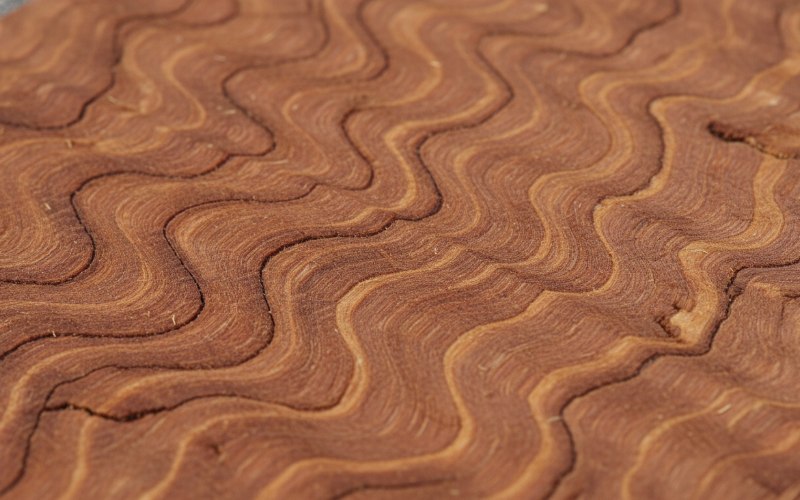
Understanding the mechanical limitations and strengths of your building materials is crucial. Tali boasts an impressive density, generally hovering around 900 to 960 kg/m³ at a 12% moisture content. Therefore, it is exceptionally hard and naturally resistant to fungal decay, dry wood borers, and termites. Furthermore, its interlocking grain prevents splitting under immense pressure. Because of these attributes, engineers specify it for environments where lesser woods would fail within months.
| Technical Parameter | Tali Wood (Erythrophleum spp.) | Azobe (Lophira alata) |
|---|---|---|
| Density (at 12% MC) | 900 – 960 kg/m³ | 1000 – 1100 kg/m³ |
| Durability Class | Class 1 (Very Durable) | Class 1 (Very Durable) |
| Crushing Strength | 80 – 90 MPa | 95 – 105 MPa |
| Marine Borer Resistance | Excellent | Outstanding |
| Market Availability | High (Log Cants, Sawn Timber) | Moderate to High |
Primary Commercial Uses and Engineering Applications
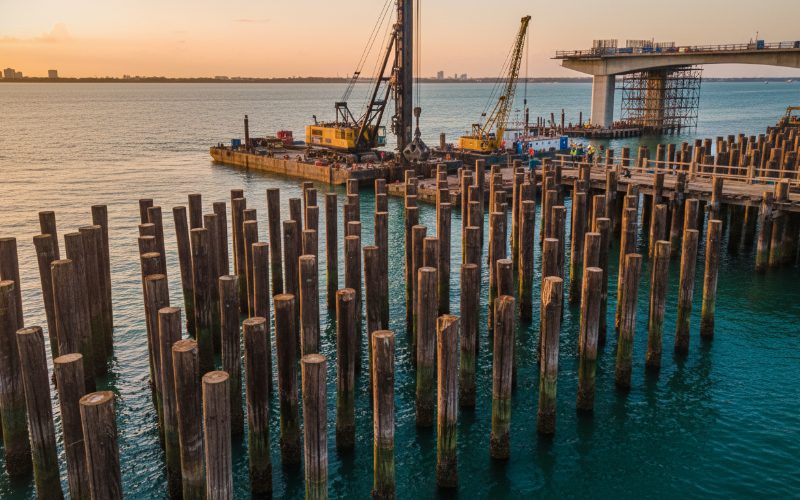
Tali is not meant for delicate indoor furniture. Instead, it thrives in brutal outdoor conditions. Marine construction projects heavily rely on this timber for harbor fenders, jetties, and protective pilings. Moreover, railway networks across Europe and Asia utilize Tali for sleepers because it withstands the immense dynamic loads of passing freight trains. Commercial construction project managers also specify this timber for heavy-duty industrial flooring, vehicular bridge decking, and exterior cladding. Thus, its versatility in severe environments makes it a highly sought-after commodity.
Processing and Machining Tali Wood
Working with ultra-dense hardwood requires specialized knowledge and equipment. Because Tali is incredibly hard, it exerts a severe blunting effect on standard cutting tools. Consequently, sawmills must utilize stellite-tipped saw blades and tungsten carbide tooling to produce precise sawn timber profiles. Additionally, drying this timber requires a meticulous, slow kiln schedule. Rushing the drying process will inevitably lead to surface checking and structural distortion. Furthermore, when installing Tali decking or cladding, pre-drilling is absolutely mandatory to prevent screw shear and timber splitting.
Real-World Application: A First-Person Experience Injection
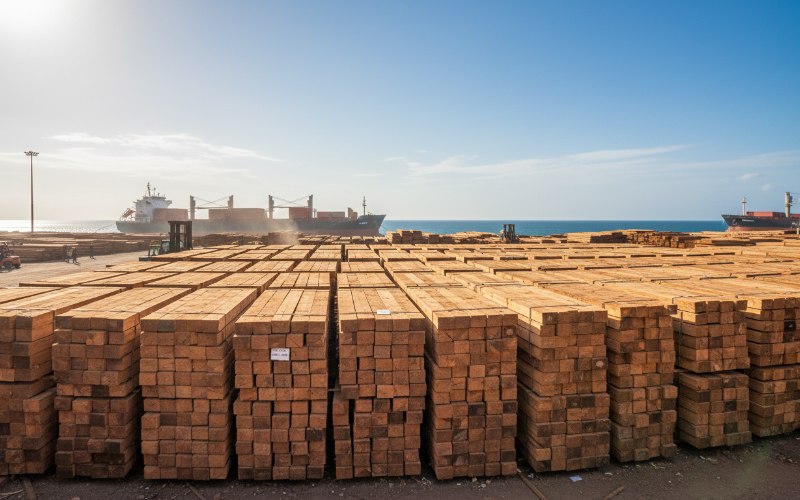
During my 20 years managing African timber exports at YYW Timber, I have inspected thousands of cubic meters of hardwood. I clearly recall a specific commercial port expansion project in Northern Europe in 2022. The system integrators originally specified Azobe for the marine fenders and decking. However, global supply chains tightened, causing Azobe lead times to stretch unpredictably. I recommended switching to FAS Grade Tali wood log cants. Not only did we meet the strict project deadlines, but the construction project managers also saved 18% on their material costs. Four years later, those structural beams show zero signs of marine borer degradation. This firsthand experience solidifies my absolute confidence in this species.
Tali Wood vs Alternatives in the Global Market
How does Tali stack up against legendary hardwoods like Greenheart or Ekki? While Greenheart is exceptional for marine use, its sourcing can be complicated by regional export bans. Azobe (Ekki) remains the industry standard, but its immense weight makes logistics expensive. Tali strikes the perfect balance. It delivers Class 1 durability and immense crushing strength, yet it is slightly lighter than Azobe. Therefore, freight costs are marginally lower, and handling on-site is more manageable. Consequently, forward-thinking wholesalers are aggressively stockpiling this specific African hardwood to meet future demand.
View more about Padauk vs Teak Wood
Price Dynamics and Sourcing Tali Wood in 2026
Pricing for premium African hardwoods is heavily influenced by freight rates, currency fluctuations, and localized harvesting quotas. Heading into 2026, Tali represents an incredibly stable investment for B2B importers. While Azobe prices continue to climb due to high demand and strict quotas, Tali offers a 15-20% cost advantage. To secure the best pricing, importers should purchase directly from established sawmills rather than utilizing multiple middle-men. Purchasing mixed containers of standard dimensions directly from source significantly improves your overall ROI and profit margins.
Sustainability and Legal Compliance: CITES, FSC, and FLEGT
In today’s heavily regulated timber market, legality is non-negotiable. Importers must ensure their supply chains are completely transparent. Notably, Tali (Erythrophleum spp.) is currently not listed on the CITES appendices, meaning international trade is unrestricted by endangered species quotas. However, responsible sourcing is vital. At YYW Timber, we strongly advise our clients to demand FLEGT-licensed or FSC-certified materials. These certifications guarantee that the timber was legally harvested, respecting both local ecosystems and indigenous communities. Consequently, you protect your brand reputation while delivering high-quality materials to your end-users.
How to Buy FAS Grade Sawn Timber
Procuring high-quality hardwood requires partnering with a reliable export authority. When specifying your orders, always demand “FAS Grade” (First and Seconds). This grading standard ensures you receive wide, long boards with minimal defects. Whether you require rough-sawn logs, precision-cut decking profiles, or heavy structural sleepers, clearly communicate your moisture content requirements and final application to your supplier. A competent export partner will tailor the milling and drying process specifically for your engineering needs.
Frequently Asked Questions
Below are the most common questions we receive regarding this remarkable African timber.
Final Thoughts and Next Steps
Navigating the global timber trade requires expertise, patience, and the right partnerships. As we have explored throughout this guide, Tali wood stands as a premier structural hardwood for uncompromising industrial applications. From severe marine environments to high-traffic railway systems, its performance is undeniable. If you are ready to secure a reliable supply chain for your next major project, I invite you to reach out directly. Let us leverage our 20 years of export experience at YYW Timber to provide you with the finest FAS Grade Tali wood available on the market.