Sapelli Timber for Durable Exterior Doors and Windows
Bottom line: Sapelli timber can produce attractive, durable exterior doors and window components when designers manage moisture, drainage, joinery, and maintenance. It is not movement-free, and its heartwood should not be assumed immune to decay. The Wood Database describes its natural durability as moderate to low, so detailing and exposure conditions matter.
For this article, “sapelli” and the more common trade spelling “sapele” refer to Entandrophragma cylindricum. The guidance below distinguishes published species data from practical specification recommendations. YYW Timber Expert prepared this guidance for manufacturers, fabricators, and project teams assessing outdoor hardwood joinery.
Why do premium window and exterior door builders choose sapelli timber?
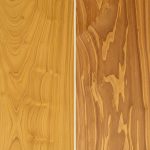
Builders choose sapelli for its appearance, workability, and suitability for well-designed joinery—not because it eliminates the need for weather protection. Its interlocked grain can produce a distinctive ribbon figure, while its density supports robust machined components. Those qualities make it a candidate for exterior doors, window frames, and architectural millwork where the specification accounts for exposure.
The Wood Database reports a specific gravity of approximately 0.67 and a Janka hardness of 1,410 lbf for sapele. These figures help characterize the material, but they do not certify a finished frame’s performance. Actual suitability depends on the timber’s grade, moisture condition, section design, workmanship, coating system, installation, and maintenance.
For manufacturers, the practical value is a hardwood that can be machined into substantial profiles and finished to a refined appearance. However, interlocked grain can complicate planing and machining. Sharp tooling, controlled feed, and sample trials help reduce tear-out, particularly around mouldings and end grain. The Wood Database’s sapele profile provides species-level property information; it is not a substitute for project-specific testing.
How does sapelli respond to moisture, seasonal movement, and warping?
Sapelli moves as its moisture content changes. The Wood Database reports shrinkage from green to oven-dry of 5.7% radially and 8.6% tangentially, with a tangential-to-radial ratio of 1.5. These are laboratory shrinkage figures, not predictions of seasonal movement in a finished window or door. They show why “minimal movement” should not be promised without qualification.
Seasonal movement in service is smaller than green-to-oven-dry shrinkage, but the actual amount depends on the installation’s moisture range and component dimensions. Specify timber conditioned for the expected service environment, then protect it from rain and standing water. A stable design manages movement rather than relying on the wood remaining dimensionally unchanged.
Warping risk increases when stock has uneven moisture, poor grain orientation, weak restraint, or unbalanced finishing. For sapele window frames and exterior doors, manufacturers should inspect boards before cutting and avoid placing unstable material in critical long components. Balance coatings across faces and edges, including less visible surfaces, to reduce uneven moisture exchange.
| Specification consideration | What the figure or practice means | Practical implication |
|---|---|---|
| Radial shrinkage | 5.7%, green to oven-dry, reported by The Wood Database | Account for moisture-related dimensional change in component design. |
| Tangential shrinkage | 8.6%, green to oven-dry, reported by The Wood Database | Allow for greater tangential than radial shrinkage. |
| Tangential-to-radial ratio | 1.5, as reported by The Wood Database | Use suitable grain selection and detail joints to tolerate movement. |
| Finished component behavior | Depends on moisture range, board selection, assembly, and exposure | Confirm stock condition and design the assembly for its service environment. |
For tight weather sealing, treat the frame as a complete system. Provide effective glazing rebates, continuous seals, drainage paths, and protected end grain. Avoid details that trap water at lower rails, sill joints, or exposed end-grain intersections. Timber selection supports performance, but correct geometry and installation determine whether water can escape.
How should natural rot resistance and fungal decay protection be classified?
Sapelli heartwood should not be specified as exceptionally rot-resistant without qualification. The Wood Database rates its heartwood from moderately durable to non-durable and notes susceptibility to insect attack. That range is a warning against treating the species name alone as proof of long-term decay protection in exposed or persistently wet locations.
Durability descriptions concern resistance of the wood itself under test or reference conditions. They do not guarantee a service life for a particular door or window. Sapwood, heartwood, timber quality, exposure, coatings, construction details, and maintenance can all affect performance. Confirm the applicable durability classification with the project’s required standard and supplier documentation before making a contractual specification.
For outdoor hardwood joinery, the most reliable strategy is to limit wetting and enable drying. Use projecting drips, sloped horizontal surfaces, protected joints, and drainage openings where the design requires them. Keep timber clear of ground contact and persistent splash zones. Where severe exposure cannot be avoided, consider whether the project needs a different material or additional protection.
This distinction matters to buyers searching for rot resistant African wood. Sapelli can be a suitable exterior joinery material when the assembly is designed and maintained appropriately, but it should not be represented as decay-proof. The published durability assessment is a reason to assess exposure carefully, not a reason to dismiss the species or overstate its natural resistance.
What joinery and gluing practices support long-lasting exterior installations?
Use joinery that sheds water, limits exposed end grain, and accommodates movement without opening the weather seal. Mortise-and-tenon joints, properly sized mechanical connections, and carefully fitted rails and stiles can form durable assemblies when designed for the component and load. Select details according to the door or window system, rather than assuming one joint suits every profile.
Before bonding, machine clean surfaces and follow the adhesive manufacturer’s instructions for moisture content, assembly time, pressure, and curing. Sapelli’s density and grain can make surface preparation important. Conduct a production trial using the actual timber, machining process, and adhesive when the joint is safety-critical or difficult to repair.
For exterior exposure, select an adhesive explicitly approved by its manufacturer for the intended service conditions and substrate. A water-resistance label alone does not establish suitability for every structural application. Verify compatibility with the coating system and confirm that the bond line remains protected from prolonged water exposure. Do not substitute adhesive for sound mechanical design or precise joint fit.
Workshop and site checks should include:
- Confirm timber moisture condition before machining and assembly.
- Inspect stock for defects, grain runout, and unstable sections.
- Seal or protect end grain and vulnerable joint surfaces.
- Maintain drainage and ventilation around glazing and hardware.
- Follow the adhesive and coating manufacturers’ written instructions.
- Inspect exposed joinery periodically and renew finishes as needed.
These practices are general fabrication recommendations, not a substitute for project engineering. Where doors or windows form part of a tested facade or certified system, follow the system designer’s specifications and applicable local requirements. Verify compatibility before changing timber, adhesive, coating, hardware, or joint geometry.
Which protective oils and breathable exterior stains suit sapelli?
Choose an exterior coating system intended for the project’s exposure and compatible with the product’s surface preparation. Penetrating oils and exterior stains can preserve visible grain, while film-forming finishes may provide a different appearance and maintenance profile. No finish makes timber waterproof or removes the need for drainage, protected joints, and periodic inspection.
“Breathable” is a useful product description, but it is not a complete specification. Ask the coating supplier for written guidance on exterior use, application rate, number of coats, end-grain treatment, UV exposure, and maintenance. Confirm that the selected system adheres to the prepared sapelli surface and works with any sealant, glazing compound, or adhesive in the assembly.
Prepare representative samples before coating production joinery. Check colour, sheen, grain appearance, and finish consistency across heartwood and sapwood where present. Pay particular attention to end grain, lower rails, exposed edges, and machined details. Apply the specified system to all required faces before installation whenever the product instructions and assembly design permit.
Maintenance should follow the coating manufacturer’s schedule and the building’s exposure conditions. Inspect high-exposure elevations and water-retaining details more frequently than sheltered areas. Repair coating breaks promptly, because neglected end grain and failed joints can admit moisture. This approach is more dependable than promising a fixed maintenance interval without knowing the coating, climate, or building orientation.
How can buyers request custom kiln-dried sapelli scantlings and window billets?
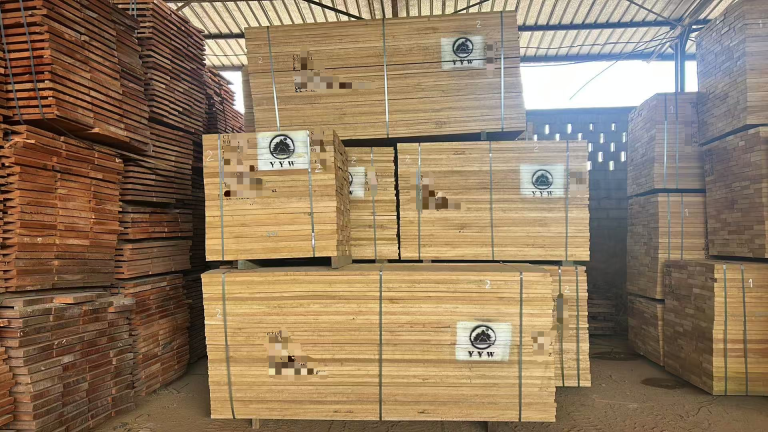
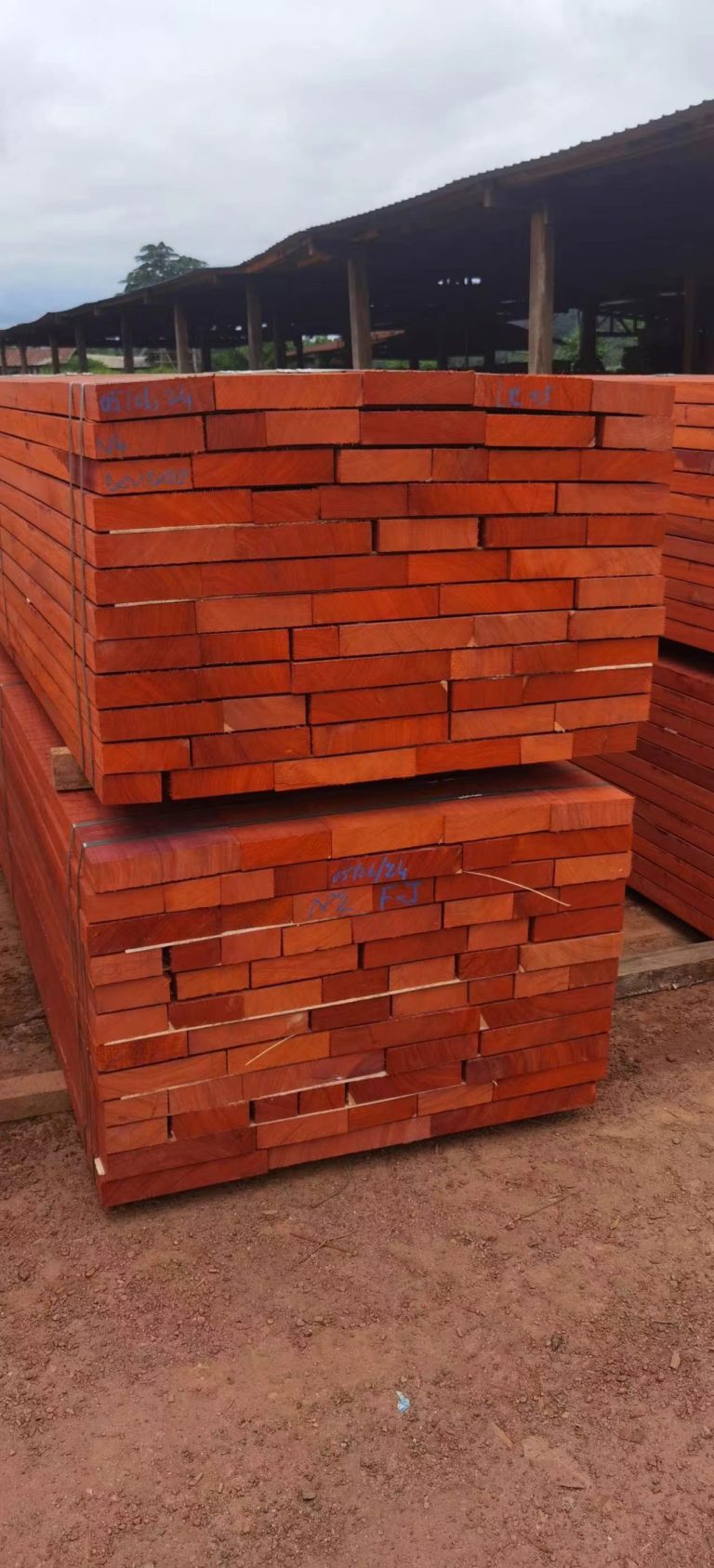
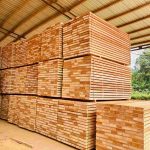
Give the supplier a complete specification so the sawmill can assess stock and processing requirements accurately. State the finished or rough-sawn dimensions, tolerances, lengths, quantity, grading needs, moisture requirements, and intended application. Identify whether the order requires scantlings, window billets, door components, or other custom sawn sections.
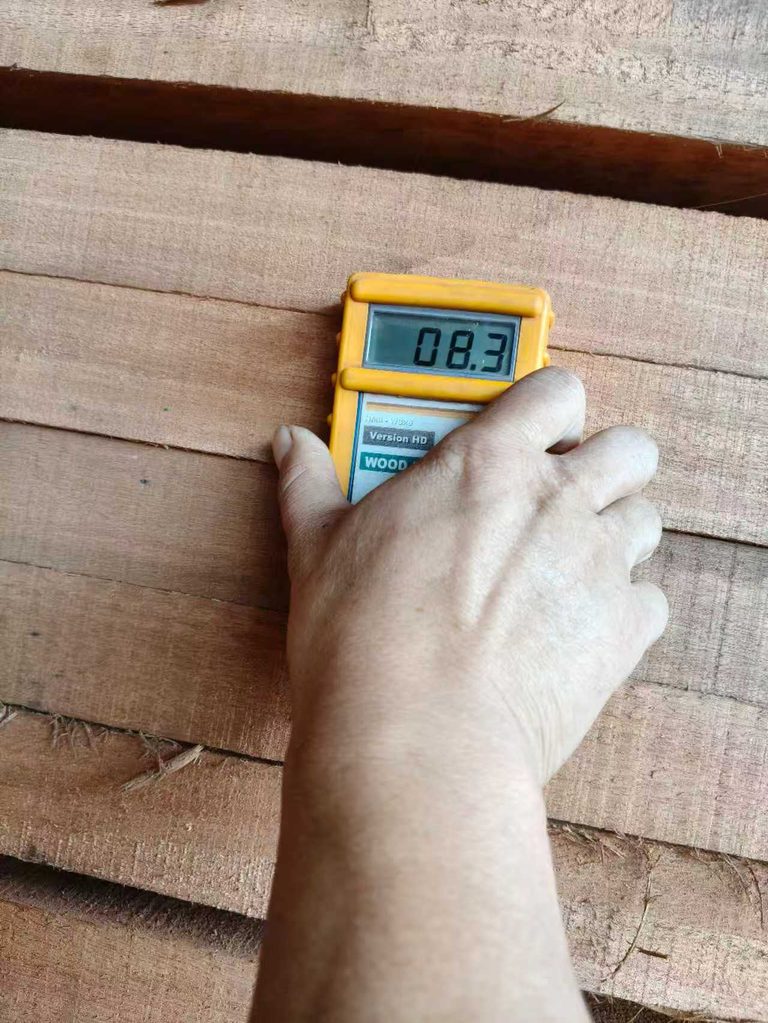
For kiln-dried stock, specify the target moisture condition required by your manufacturing process and service environment. Ask how moisture is measured and documented, and whether the supplier can provide representative readings or inspection records. Do not assume that a generic kiln-dried description guarantees the correct condition for every climate or factory workflow.
Include the following details in a quotation request:
- Product form and botanical or trade-name identification.
- Cross-section dimensions, lengths, tolerances, and total volume.
- Required grade, appearance expectations, and defect limits.
- Moisture condition and any required supporting documentation.
- Machining, cutting, packaging, or shipment requirements.
- Destination, delivery terms, and intended production schedule.
Pricing depends on the requested dimensions, grade, volume, drying, processing, and delivery requirements. A detailed enquiry allows YYW Timber to assess availability and quote against the actual specification rather than an assumed standard. Review rough-sawn sapelli timber or browse the broader timber product range before sending your requirements.
For a project quotation, send your drawing or cutting list, required quantities, destination, and target moisture condition. YYW Timber can then review the requested sapelli sections and discuss supply options for exterior joinery manufacture.
What should buyers know before specifying sapelli for exterior joinery?
Is sapelli suitable for exterior doors and windows?
It can be suitable when the design controls moisture, provides drainage, uses compatible finishes, and receives appropriate maintenance. Its natural decay resistance should not be overstated; assess the actual exposure and project requirements.
Does sapelli have very low seasonal movement?
No species should be described as movement-free. The published shrinkage figures describe green-to-oven-dry change, not seasonal movement in a finished component. Specify conditioned stock and detail assemblies to accommodate moisture-related movement.
Is sapelli naturally rot-proof?
No. The Wood Database describes heartwood durability as moderate to low and notes susceptibility to insect attack. Protect the assembly through design, coatings, drainage, and maintenance.
What information affects a custom timber quotation?
Dimensions, lengths, quantities, grade, moisture condition, processing, packaging, and destination all affect the requested supply. Provide a cutting list or drawing so the quotation matches your production needs.
Author: YYW Timber Expert