Key Takeaways
- Understand the critical documentation required for timber imports, including phytosanitary and fumigation certificates.
- Choose the right timber species based on application, durability, and cost.
- Evaluate suppliers on certifications, capacity, and track record.
- Calculate total landed cost including freight, duties, and insurance.
- Work with experienced partners to navigate customs and regulations.
Importing timber from Africa can be a profitable venture, but it requires careful planning and knowledge of international trade regulations. Whether you are a seasoned importer or new to the market, this guide provides a step-by-step overview of the timber import process, from sourcing to delivery. At YYW Timber, we specialize in supplying high-quality African hardwoods to global markets, and we share our expertise to help you make informed decisions.
What Factors Should You Consider Before Importing Timber?
Sourcing and Supplier Verification
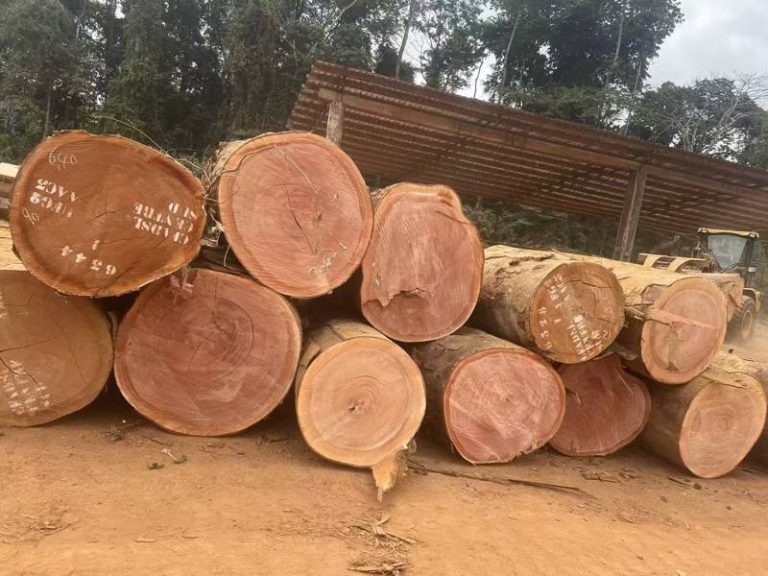
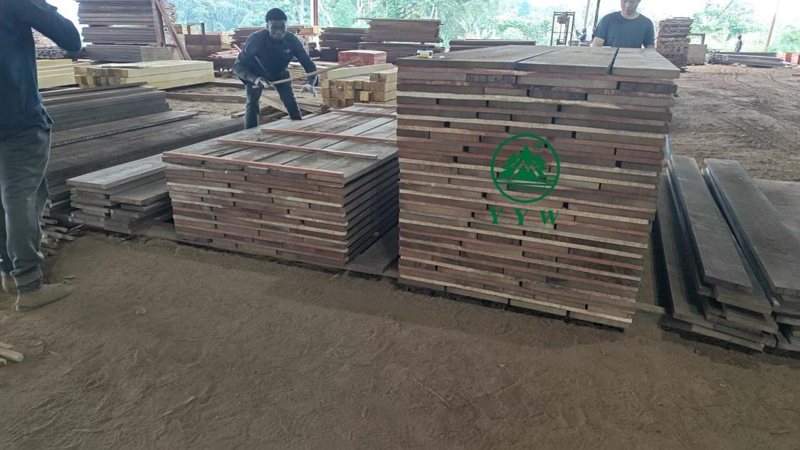
Before starting the import process, assess your requirements: species, grade, quantity, and budget. The type of timber you choose should align with its end use—construction, furniture, flooring, or joinery. Always verify suppliers’ credentials. Look for certifications like FSC or PEFC for sustainable sourcing. Request references and inspect previous shipments. YYW Timber offers full traceability from forest to mill, ensuring compliance and quality.
Species Selection Based on Application
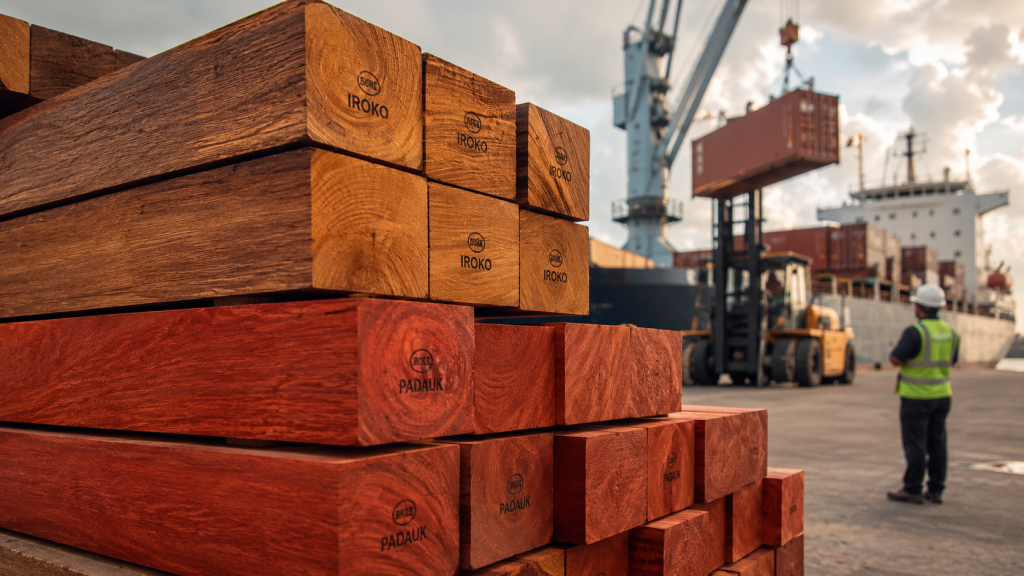
Different species offer varying densities, durability, and workability. For example, Iroko is ideal for outdoor furniture due to its high rot resistance, while Sapele is preferred for interior joinery and veneers. Understanding these characteristics helps you select the right timber for your market.
What Documentation Is Required for Timber Import?
Timber imports are heavily regulated to prevent illegal logging and protect ecosystems. Essential documents include: Bill of Lading, Packing List, Commercial Invoice, Certificate of Origin, Phytosanitary Certificate, Fumigation Certificate, and if applicable, CITES permit. Missing paperwork can cause costly delays or seizure of goods.
Phytosanitary and Fumigation Certificates
These confirm that the timber is free from pests and has been treated. Most countries require these for wood packaging or rough lumber. Always ensure certificates are issued by authorized bodies and match the shipment details.
CITES Requirements
Endangered species like Bubinga require a CITES export permit. Always check if your chosen species is listed. YYW Timber can help you navigate these regulations to ensure smooth customs clearance.
How to Evaluate Timber Suppliers?
A reliable supplier ensures consistent quality and supply. Evaluate based on: years in business, production capacity, quality control processes, and client testimonials. Request sample grading reports and moisture content readings. Visiting the mill or using a third-party inspection service is recommended for large orders.
What Are the Major Timber Species for Import?
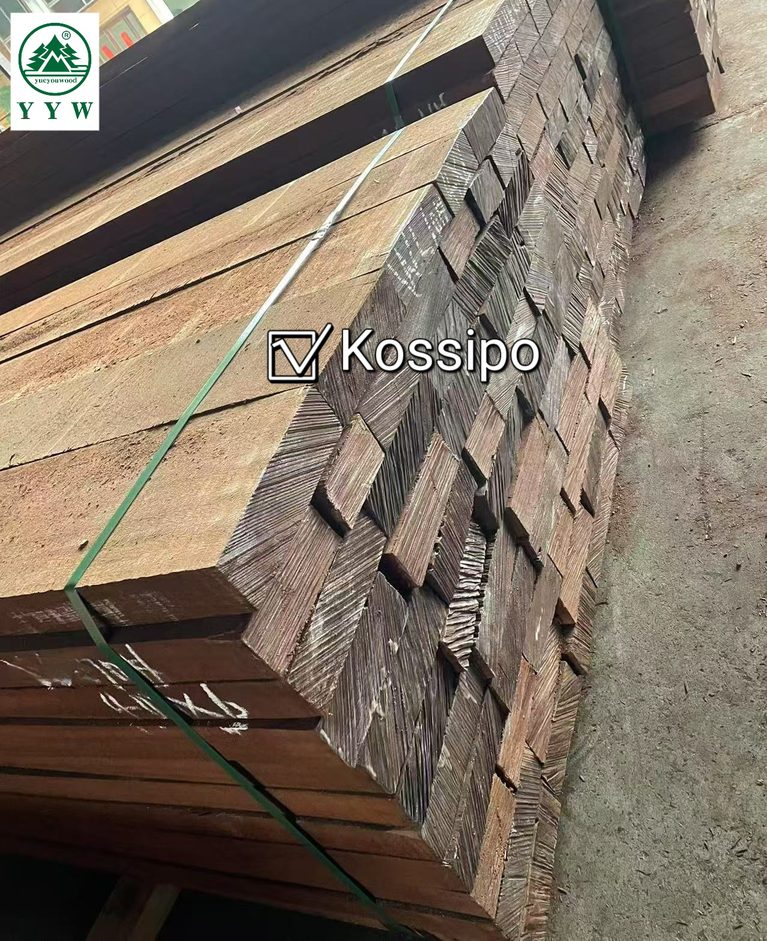
African hardwoods are prized for their beauty and durability. Popular species include Iroko, Sapele, Sipo, Ayous, Okoume, Wenge, and Bubinga. Each has unique properties that suit different applications.
| Species | Density (kg/m³) | Durability | Typical Uses | Price Level |
|---|---|---|---|---|
| Iroko | 650–700 | High | Outdoor furniture, decking | Medium |
| Sapele | 680–740 | High | Joinery, doors, veneer | Medium |
| Sipo | 620–670 | High | Furniture, flooring | Medium |
| Ayous | 380–450 | Low | Light furniture, doors | Low |
| Okoume | 440–480 | Moderate | Plywood, veneer | Low |
| Wenge | 870–950 | Very High | Flooring, joinery | High |
| Bubinga | 800–950 | High | Decorative items, furniture | High |
How to Calculate Import Costs and Pricing?
Total cost includes: FOB price, freight, insurance, customs duties, taxes, port handling, and inland transport. Use Incoterms to define responsibilities. A typical cost breakdown for a container of African hardwood is 40% product cost, 30% freight, 20% duties and taxes, 10% logistics. Accurately estimating these costs is crucial for profitability.
How to Manage Logistics and Shipping?
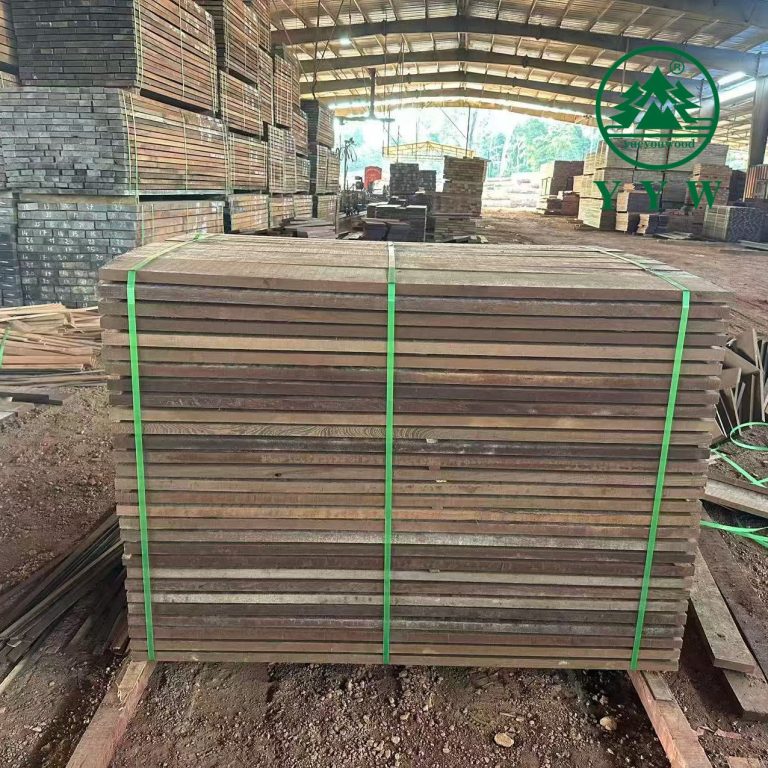
Choose between FCL or LCL based on volume. Partner with freight forwarders experienced in timber. Ensure proper packaging to prevent moisture damage. Plan for lead times of 4–6 weeks from order to arrival. Tracking and insurance provide peace of mind.
Frequently Asked Questions
Minimum order quantities vary by supplier and species. Typically, a full container load (FCL) is 20–25 cubic meters. YYW Timber can accommodate smaller orders for customers starting out.
Request photographs, videos, and third-party inspection reports. YYW Timber provides detailed grading and moisture content data. We also offer sample shipments for evaluation.
Most countries require import licenses and permits. You may need a phytosanitary certificate, fumigation certificate, and CITES permit for protected species. Work with a customs broker to ensure compliance.
Common Incoterms include FOB (Free on Board), CIF (Cost, Insurance, Freight), and DAP (Delivered at Place). FOB is often preferred by buyers as it offers control over shipping and insurance.
How does YYW Timber ensure sustainable sourcing?
YYW Timber sources from certified sustainable forests and maintains full traceability. We comply with all international regulations, including the Lacey Act and EU Timber Regulation.
Ready to start your timber import journey? Request a quote from YYW Timber today and get expert guidance on species selection, documentation, and shipping.