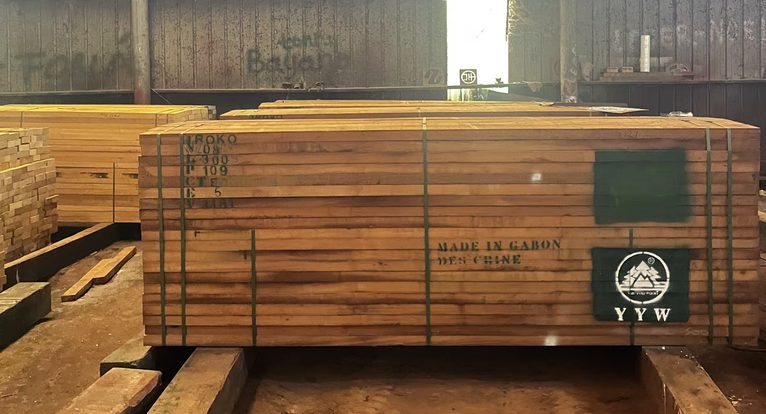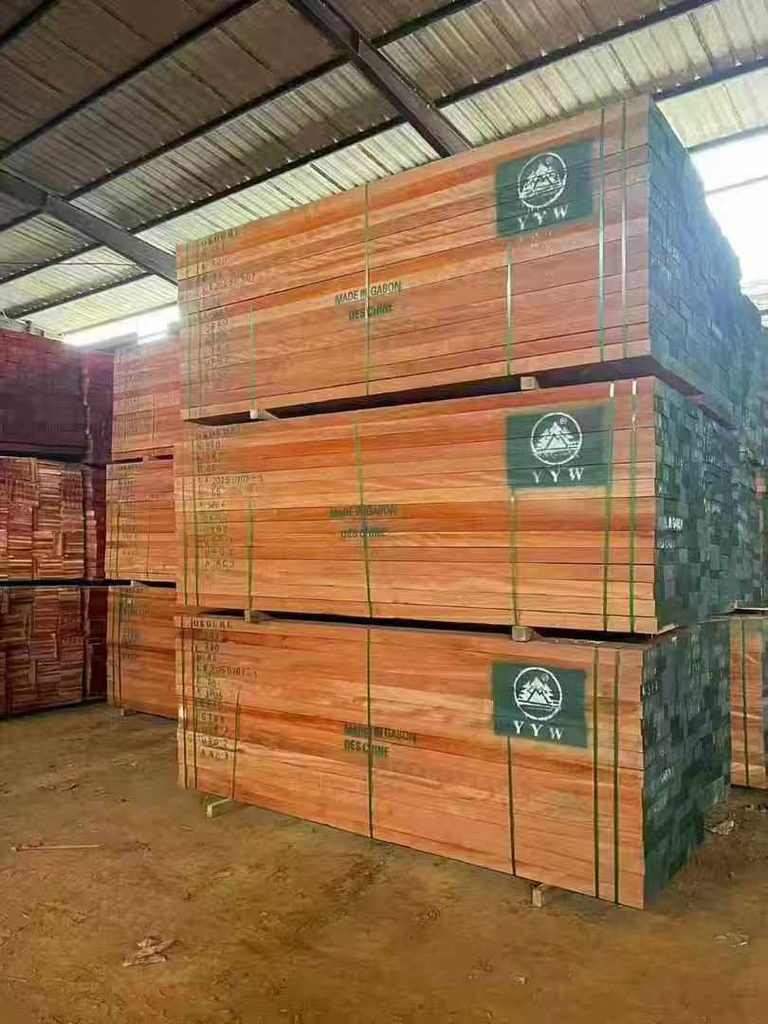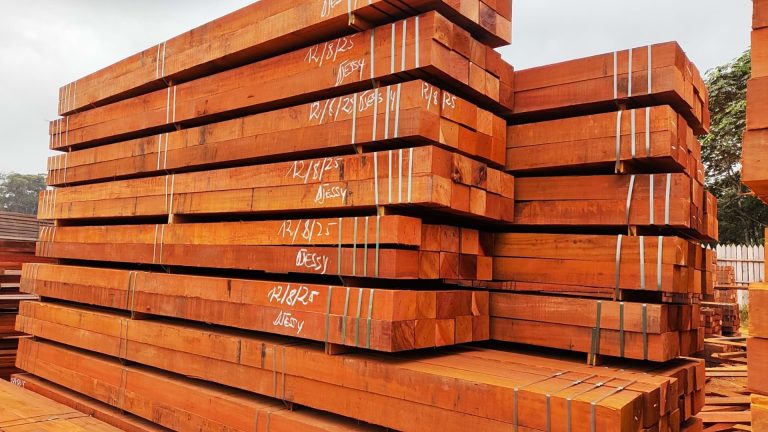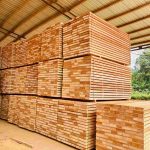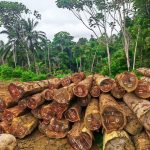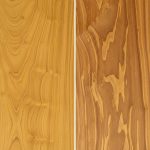
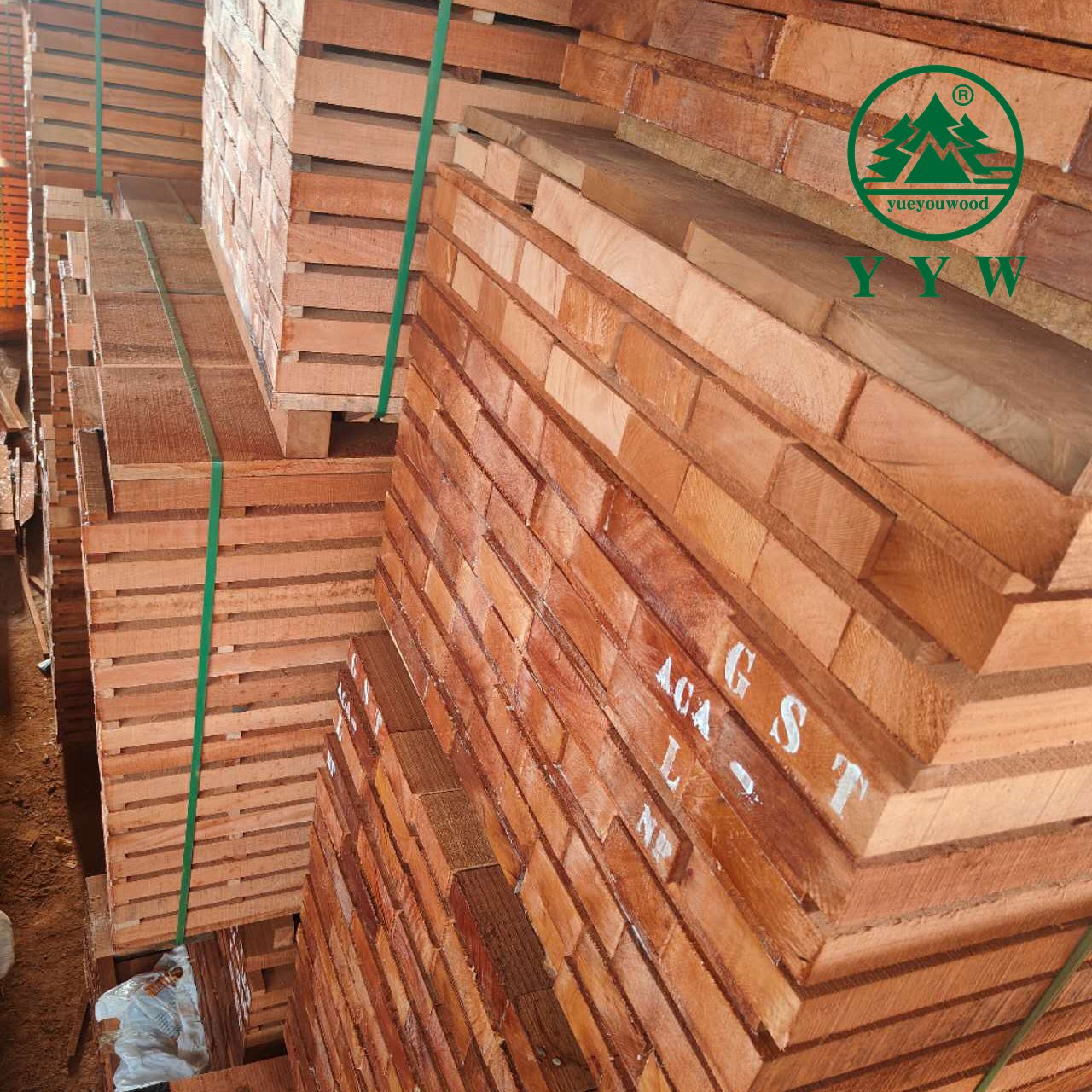
African Mahogany is a highly versatile hardwood prized for its rich color, excellent workability, and durability. This guide provides buyers with a technical deep dive into its properties, applications, and sourcing considerations.
Key Takeaways
- African Mahogany encompasses species from Khaya and Entandrophragma genera, offering a balance of strength, stability, and aesthetic appeal.
- Ideal for high-end furniture, flooring, interior joinery, boatbuilding, and musical instruments.
- Sustainable sourcing is available with certifications like FSC®; responsible procurement is critical.
- Proper drying and machining techniques are essential to maximize yield and performance.
- African Mahogany provides a cost-effective alternative to Genuine Mahogany with comparable properties.
What Is African Mahogany?
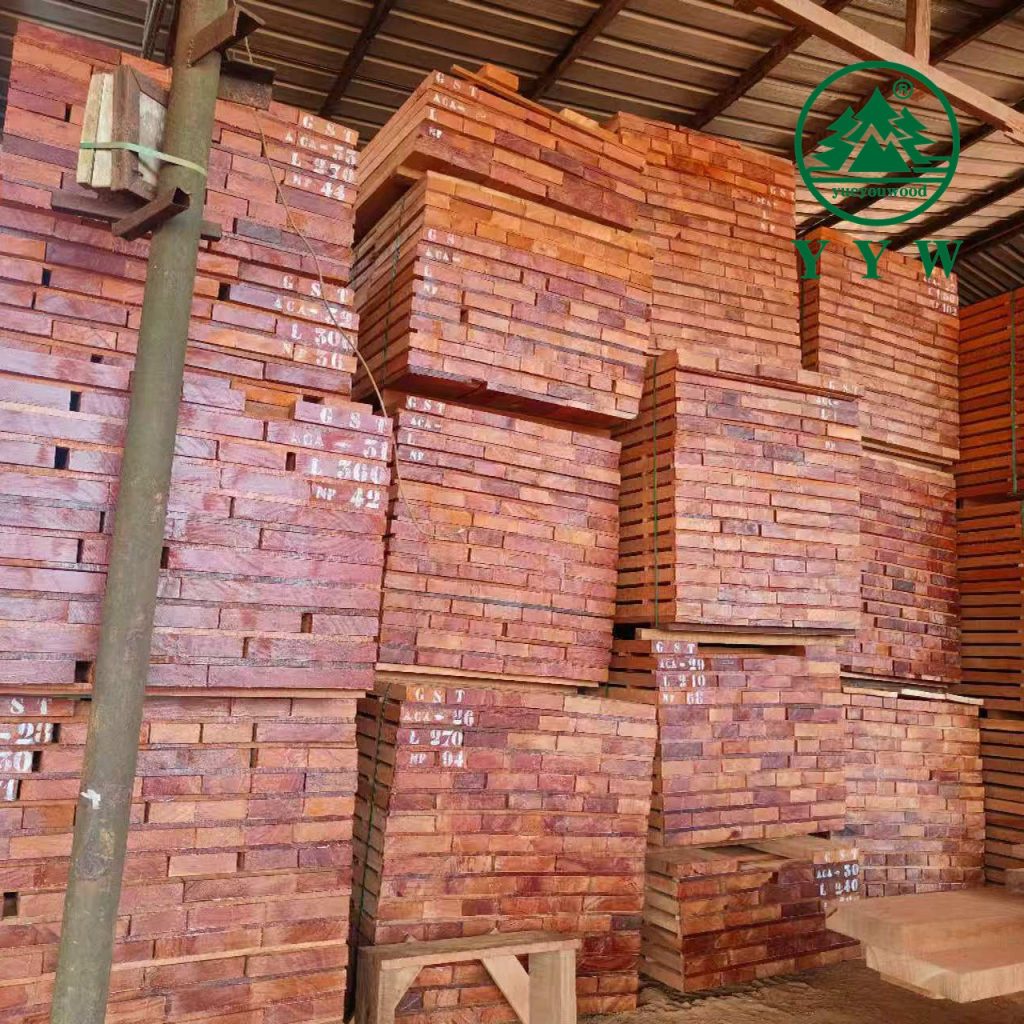
African Mahogany is a commercial term used for several hardwood species native to tropical Africa. The primary genera are Khaya (true African mahogany) and Entandrophragma (including sapele, utile, and sipo). These species are prized for their reddish-brown heartwood, interlocked grain, and excellent dimensional stability. The most common species in trade include:
- Khaya ivorensis (Ivory Coast mahogany)
- Khaya senegalensis (dry zone mahogany)
- Entandrophragma cylindricum (sapele)
- Entandrophragma utile (utile)
- Entandrophragma angolense (sipo)
These species share similar working characteristics, making them interchangeable for many applications.
What Are the Key Properties of African Mahogany?
Understanding the physical and mechanical properties is crucial for selecting the right species for specific end-uses.
Density and Hardness
Density varies by species. Khaya species typically range from 500–700 kg/m³ at 12% moisture content, while Entandrophragma species are slightly denser (600–750 kg/m³). Janka hardness values range from 800–1,200 lbf, making African Mahogany suitable for both soft and hard wearing applications.
Durability and Resistance
African Mahogany displays moderate to high natural durability. Heartwood is resistant to decay and termite attack, though susceptibility varies by species. Sapele and utile are more durable than Khaya species, making them preferred for exterior joinery and marine use.
Workability
All African Mahogany species machine well with both hand and power tools. They plane smoothly, sand to a fine finish, and hold screws and nails well. Interlocked grain can cause tear-out during planing; using sharp tooling and reduced cutting angles mitigates this. The wood glues easily and accepts stains and varnishes without blotching.
Dimensional Stability
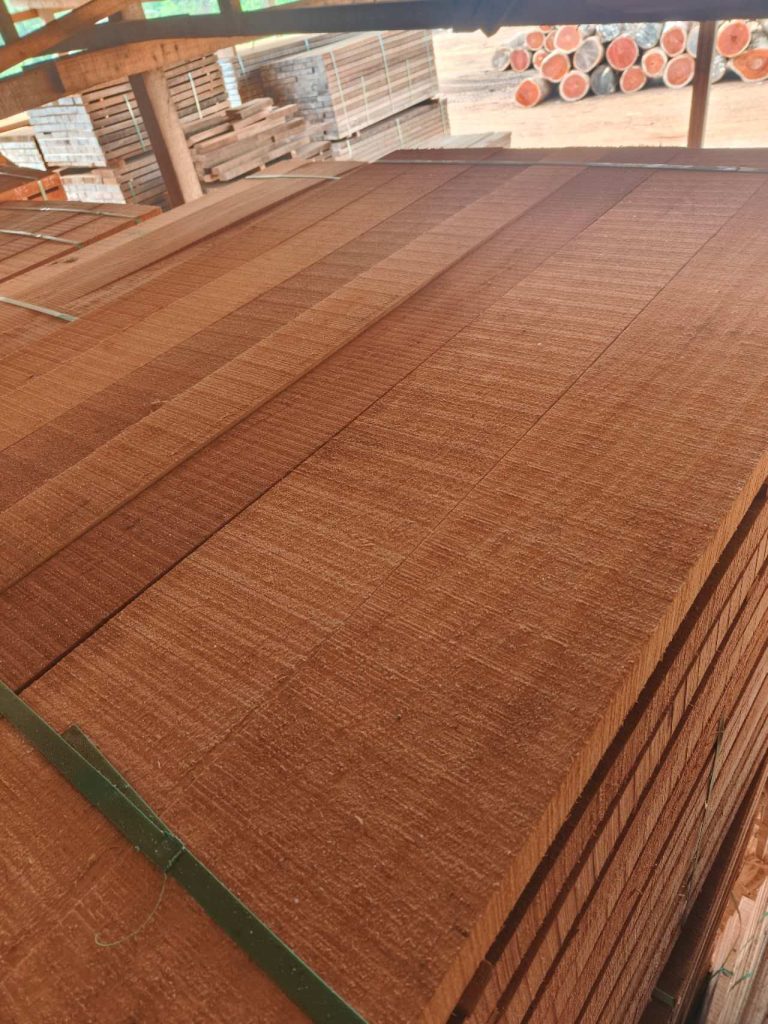
African Mahogany has low shrinkage rates and good stability once dried. A kiln-dried moisture content of 8–10% is recommended for interior applications. The wood moves minimally with changes in humidity, reducing the risk of warping or cupping in large panels.
What Are the Primary Uses of African Mahogany in B2B Applications?
Furniture Manufacturing
African Mahogany is a top choice for high-end furniture, including dining tables, cabinets, chairs, and bedroom suites. Its rich color and grain pattern take a wide range of finishes, from natural to dark stains. The wood’s stability is ideal for panel construction and curved parts.
Flooring
Solid and engineered flooring made from African Mahogany offers a luxurious appearance with good wear resistance. Sapele and utile, with higher hardness, are preferred for high-traffic areas. The wood’s dimensional stability reduces gapping and cupping in fluctuating indoor environments.
Interior Joinery and Millwork
Doors, window frames, paneling, staircases, and moldings benefit from African Mahogany’s workability and finish. The wood machines cleanly for intricate profiles and holds its shape over time. Its natural resistance to decay makes it suitable for external joinery when properly finished.
Boatbuilding
Historically, African Mahogany has been used in boatbuilding for decks, cabinetry, and structural components. Its resistance to water absorption and fungal attack, combined with ease of bending, makes it valuable for marine applications. Khaya species are commonly used for smaller craft, while sapele is favored for larger yachts.
Musical Instruments
African Mahogany is used for guitar bodies, ukuleles, drums, and piano rim segments. Its acoustic properties provide warm, balanced tone with excellent sustain. Consistency in density and grain is critical, and select grades are sought after by instrument manufacturers.
Veneer and Plywood
The attractive figure of African Mahogany makes it popular for decorative veneers. Sliced veneer is used for luxury interior panels and furniture facings. Rotary-cut veneer is used for plywood, providing strength and aesthetic appeal for architectural plywood panels.
How Does African Mahogany Compare to Other Mahoganies?
B2B buyers often compare African Mahogany with Genuine Mahogany (Swietenia) and other tropical hardwoods. The table below summarizes key differences.
| Property | African Mahogany (Khaya) | Genuine Mahogany (Swietenia) | Sapele (Entandrophragma) | Utile |
|---|---|---|---|---|
| Density (kg/m³ @12% MC) | 530–650 | 500–600 | 600–700 | 650–750 |
| Janka Hardness (lbf) | 830–1,100 | 800–1,100 | 1,200–1,400 | 1,200–1,500 |
| Dimensional Stability | High | Very High | Moderate-High | Moderate |
| Natural Durability | Moderate | High | High | High |
| Workability | Excellent | Excellent | Good | Good |
| Price Index (relative) | $$ | $$$$ | $$$ | $$$ |
| Common Uses | Furniture, interior joinery, boatbuilding | Fine furniture, carving, premium joinery | Flooring, marine, exterior joinery | Flooring, heavy joinery, decking |
African Mahogany offers a cost-effective alternative to Genuine Mahogany with comparable aesthetics and adequate durability for interior applications. For exterior or high-wear applications, sapele or utile may be better choices.
Learn more wood comparisons about Kosipo vs Khaya, Khaya vs Sapelli, African Mahogany vs. Sapele
What Should B2B Buyers Consider When Sourcing African Mahogany?
Sustainability and Certification
Responsible sourcing is critical. Look for suppliers who provide FSC®-certified material or can verify legal origin. African Mahogany is listed in CITES Appendix II for some species; ensure export documentation complies with international regulations. Partnering with a reputable supplier like YYW Timber ensures traceability.
Moisture Content and Drying
Specify kiln-dried lumber with moisture content appropriate for your region (typically 8–10% for interior use). African Mahogany dries rapidly with minimal degrade, but improper schedules can cause checking. Insist on moisture meters certification before shipment.
Grading Standards
Understand common grades: FAS (First and Second) for clear cuttings, Select for smaller pieces, and Common grades for panel stock. NHLA rules are widely used. Specify grade and allowable defects (knots, wane, stain) in your purchase contract.
Pricing Factors
Price varies by species, grade, thickness, and order volume. Sapele and utile command premiums over Khaya. Log restrictions in exporting countries can impact supply. Secure long-term contracts to stabilize pricing.
How to Process African Mahogany for Optimal Results?
Proper processing enhances yield and final product quality.
Machining
Use sharp carbide-tipped tooling to reduce tear-out. For planing, a cutting angle of 20–25° works well. Feed rates should be moderate; interlocked grain may require light passes. CNC machining yields clean edges with minimal sanding.
Sanding
Progressive grits from 80 to 220 mesh are recommended. Because the wood can develop a “fuzzy” surface after sanding, a fine grit final pass and a tack cloth wipe are beneficial. Avoid excessive sanding pressure to preserve grain integrity.
Finishing
African Mahogany accepts oil-based and waterborne finishes well. For a natural look, clear lacquer or Danish oil enhances the red-brown hue. For darker finishes, aniline dyes can be applied before coating. Pre-sealing with sanding sealer prevents blotching. The wood’s acidity may slow the curing of some varnishes; check compatibility.
Frequently Asked Questions
It depends on the species. Khaya has moderate durability and is suitable for covered outdoor areas with regular maintenance. Sapele and utile are more durable and can withstand full exposure when properly finished. Always use marine-grade finishes for exterior applications.
Khaya species are lighter in density (530–650 kg/m³) and have less interlocked grain, making them easier to work. Entandrophragma species (sapele, utile) are denser, harder, and more durable, with a more pronounced ribbon figure. They also tend to be more expensive.
Genuine Mahogany (Swietenia) has slightly better stability and a more consistent color, but African Mahogany offers similar workability at a significantly lower price. For most interior applications, African Mahogany is a cost-effective alternative. Genuine Mahogany may be preferred for restoration work or where precise historical matching is required.
Not all sources are sustainable. Buyers should demand FSC® certification or equivalent proof of legal and sustainable harvest. YYW Timber sources only from verified plantations and well-managed concessions that comply with local and international laws.
Grades follow NHLA rules: FAS (First and Second) provides long clear cuttings; Select yields smaller clear pieces; #1 Common is suitable for smaller parts; #2 Common is used for panel stock. For veneer, grades are based on grain pattern and defects. Specify the required grade for your application.
Ready to source premium African Mahogany for your next project?
Contact YYW Timber for competitive pricing, detailed technical specifications, and reliable supply of logs, square logs, sawn timber, and custom dimensions. Our team of experts is committed to providing consistent quality and responsive service. Request a quotation today.