Zebra wood, scientifically known as Microberlinia brazzavillensis, is an exotic African hardwood prized for its dramatic dark-and-light striped grain pattern, high density, and excellent durability. This guide covers its physical properties, working characteristics, sustainability status, and common applications to help you decide if it’s right for your project.
Key Takeaways
- Zebra wood (Microberlinia brazzavillensis) is a dense African hardwood with a distinctive striped grain.
- It has a Janka hardness of 1,830 lbf (8,140 N), making it suitable for high-wear applications like flooring.
- The wood is moderately durable but can be difficult to work due to interlocked grain and high silica content.
- It is listed on CITES Appendix II and is considered vulnerable in the wild; sustainable sourcing is critical.
- Common uses include veneer, furniture, flooring, turned objects, and musical instruments.
What Is Zebra Wood? Origin and Botanical Classification
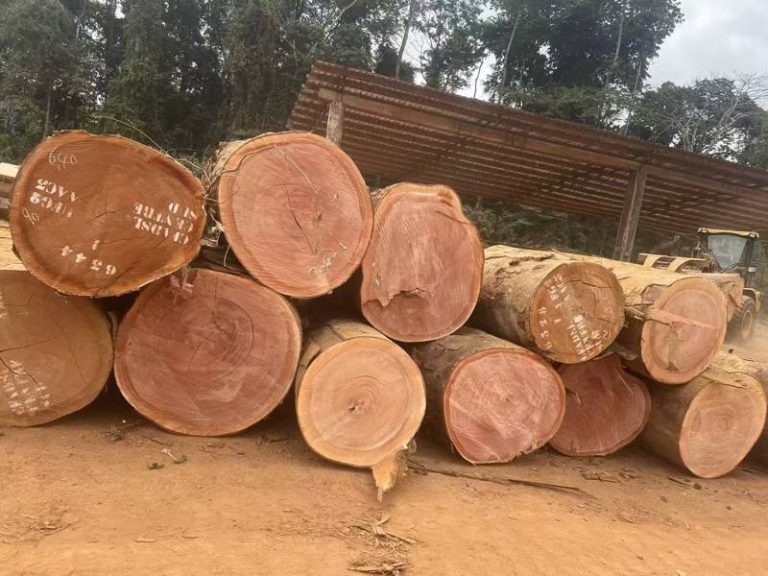
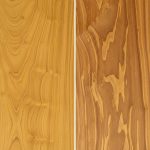
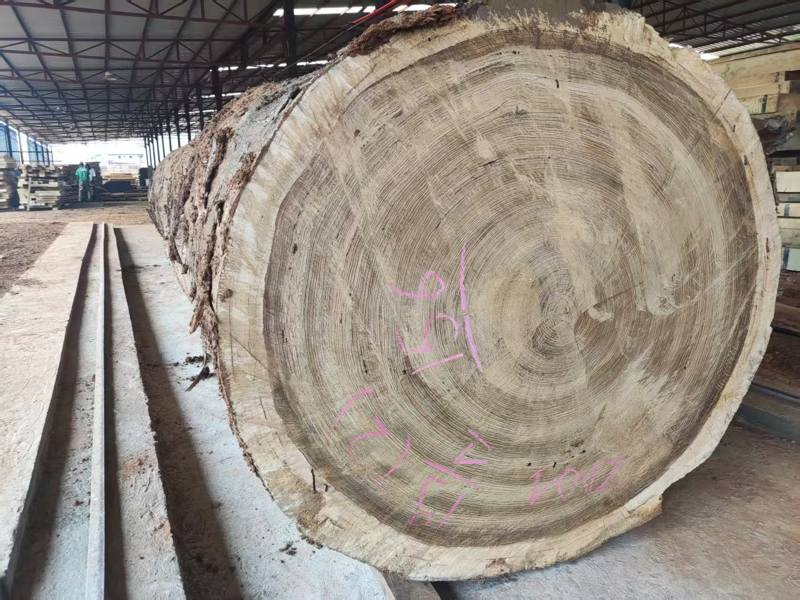
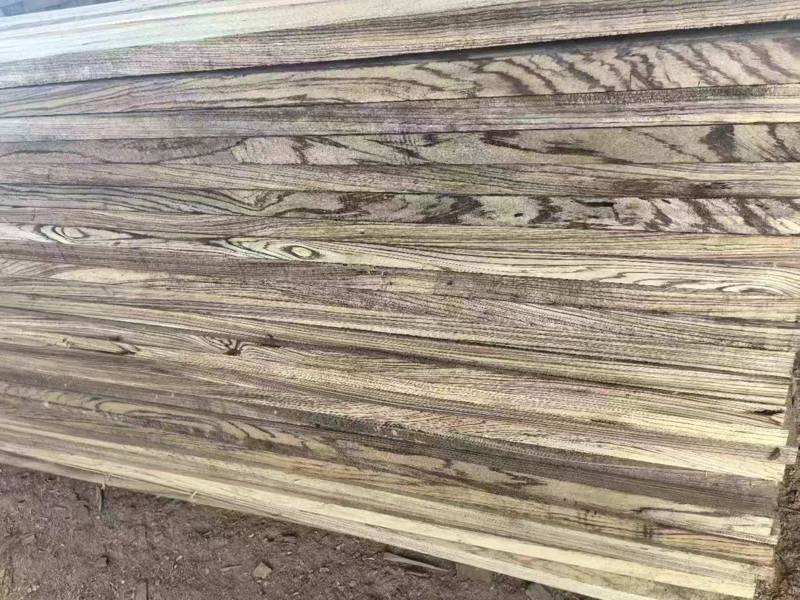
Zebra wood is the common name for Microberlinia brazzavillensis, a tree species native to the tropical rainforests of Central Africa, particularly Cameroon, Gabon, and Congo. It belongs to the Fabaceae (legume) family and is also known as zebrano or zingana. The tree can reach heights of 100–130 feet with trunk diameters of 2–4 feet. The wood is renowned for its striking figure, which features alternating dark brown to black bands and light golden-yellow stripes, resembling a zebra’s coat.
What Are the Key Physical Properties of Zebra Wood?
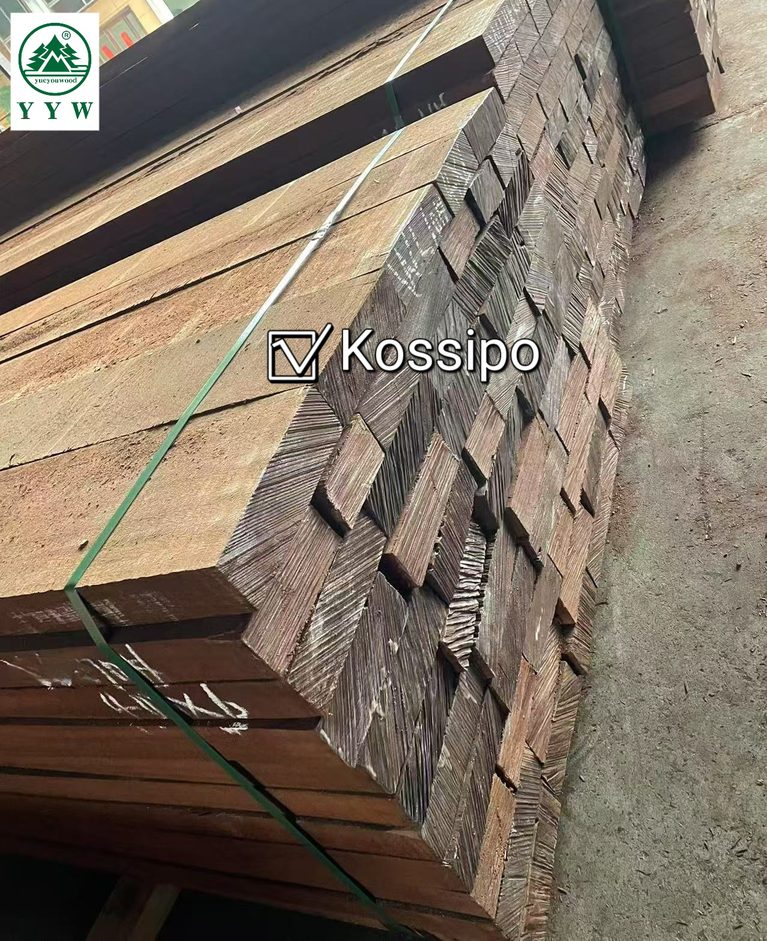
Zebra wood is a dense, heavy hardwood. According to the USDA Forest Products Laboratory, its average specific gravity is 0.73 (green) and 0.82 (oven-dry), giving it a weight of about 56 lbs/ft³ (900 kg/m³). The Janka hardness rating is 1,830 lbf (8,140 N), placing it among the harder domestic and exotic species. This hardness makes it resistant to dents and wear, ideal for flooring and high-traffic areas.
The wood has a moderate modulus of rupture (16,570 psi) and modulus of elasticity (2.06 million psi), indicating good strength for structural uses. Its radial shrinkage is 4.3%, tangential 7.3%, and volumetric 12.3%, meaning it can be prone to movement if not properly dried. A study from the Food and Agriculture Organization highlights that zebra wood’s interlocked grain can lead to significant distortion during drying.
How Does Zebra Wood Compare to Other Exotic Hardwoods?
The following table compares zebra wood with two other common exotic hardwoods: wenge and teak. Data sources include the Wood Database and CITES.
| Property | Zebra Wood (Microberlinia) | Wenge (Millettia laurentii) | Teak (Tectona grandis) |
|---|---|---|---|
| Janka Hardness | 1,830 lbf | 1,630 lbf | 1,155 lbf |
| Density (oven-dry) | 0.82 g/cm³ | 0.88 g/cm³ | 0.67 g/cm³ |
| Modulus of Rupture | 16,570 psi | 14,800 psi | 14,000 psi |
| Modulus of Elasticity | 2.06 million psi | 1.83 million psi | 1.57 million psi |
| Radial Shrinkage | 4.3% | 5.5% | 2.5% |
| Tangential Shrinkage | 7.3% | 9.0% | 5.8% |
| Durability (rot-resistance) | Moderate | Very durable | Very durable |
| Workability | Fair; blunts tools due to silica | Moderate; brittle | Excellent |
| CITES Status | Appendix II | Appendix II | Not listed |
As shown, zebra wood is harder than both wenge and teak but has lower natural decay resistance. It also has higher shrinkage rates, requiring careful drying. Its workability is rated as fair, primarily because of silica deposits that dull cutting edges—a common trait among many African hardwoods.
What Are the Common Applications of Zebra Wood?
Zebra wood‘s unique appearance and good strength make it a popular choice for decorative and functional products. According to the Hardwood Manufacturers Association, its primary uses include:
- Veneer: Sliced or rotary-cut to produce high-end architectural panels and marquetry.
- Luxury Furniture: Used in high-end cabinets, chairs, tables, and bed frames, often as accent pieces or entire pieces.
- Flooring: In strip or plank form for exotic, high-traffic floors.
- Musical Instruments: Electric guitar bodies, acoustic guitar backs and sides, and other instruments.
- Turned Objects: Pens, bowls, chess pieces, and other small decorative items.
- Boatbuilding: Occasionally used for interior trim and cabinetry due to its moderate water resistance.
Is Zebra Wood Easy to Work With?
Working with zebra wood presents several challenges. Its interlocked grain can cause tearout during planing and routing, and the high silica content (up to 0.5%, per a 2019 study by the Wood Science Research Institute) rapidly dulls cutters. Carbide-tipped tools are essential. The wood also has a moderate blunting effect on saw blades.
Gluing and finishing require care. Its density makes it hold screws and nails well, but pre-drilling is often needed to avoid splitting. The wood takes stains and finishes well, although a sanding sealer is recommended to prevent blotches. When sanding, fine dust can cause respiratory irritation; use appropriate protection.
Turning zebra wood can be rewarding but requires sharp tools. The natural oils can sometimes interfere with adhesion, so solvent wiping is advised prior to gluing.
Is Zebra Wood Sustainable?
Zebra wood is listed on CITES Appendix II, meaning its trade is regulated to ensure it is not detrimental to the species’ survival. The IUCN Red List categorizes Microberlinia brazzavillensis as vulnerable due to habitat loss and overexploitation. Recent reports from the International Union for Conservation of Nature indicate that populations have declined by 40% over the last three generations.
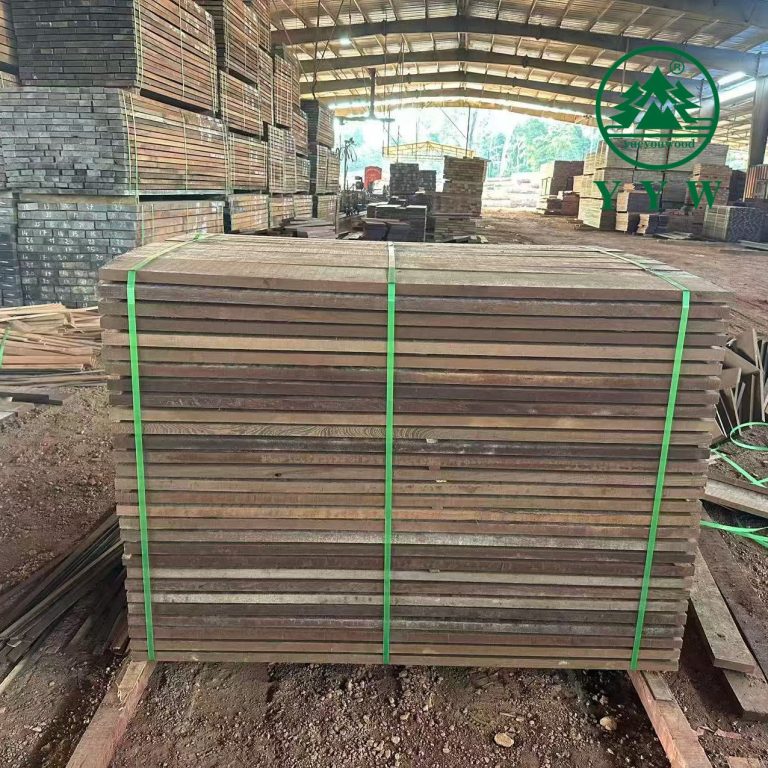
When sourcing zebra wood, verify that suppliers comply with CITES and ideally hold Forest Stewardship Council (FSC) certification. YYW Timber ensures all exports are legally harvested and documented. Buyers should request proof of origin and permits.
Want to understand the characteristics and best uses of this timber before placing an order? Learn more about Zebra Wood in our complete guide, covering everything from density and grain patterns to processing, applications, and sustainability.
Frequently Asked Questions
For more detailed specifications or to request a quotation, contact YYW Timber today.
Ready to source premium zebra wood for your next project? Request a quote from YYW Timber.
Note: This article is for informational purposes. Always consult a professional for specific applications.