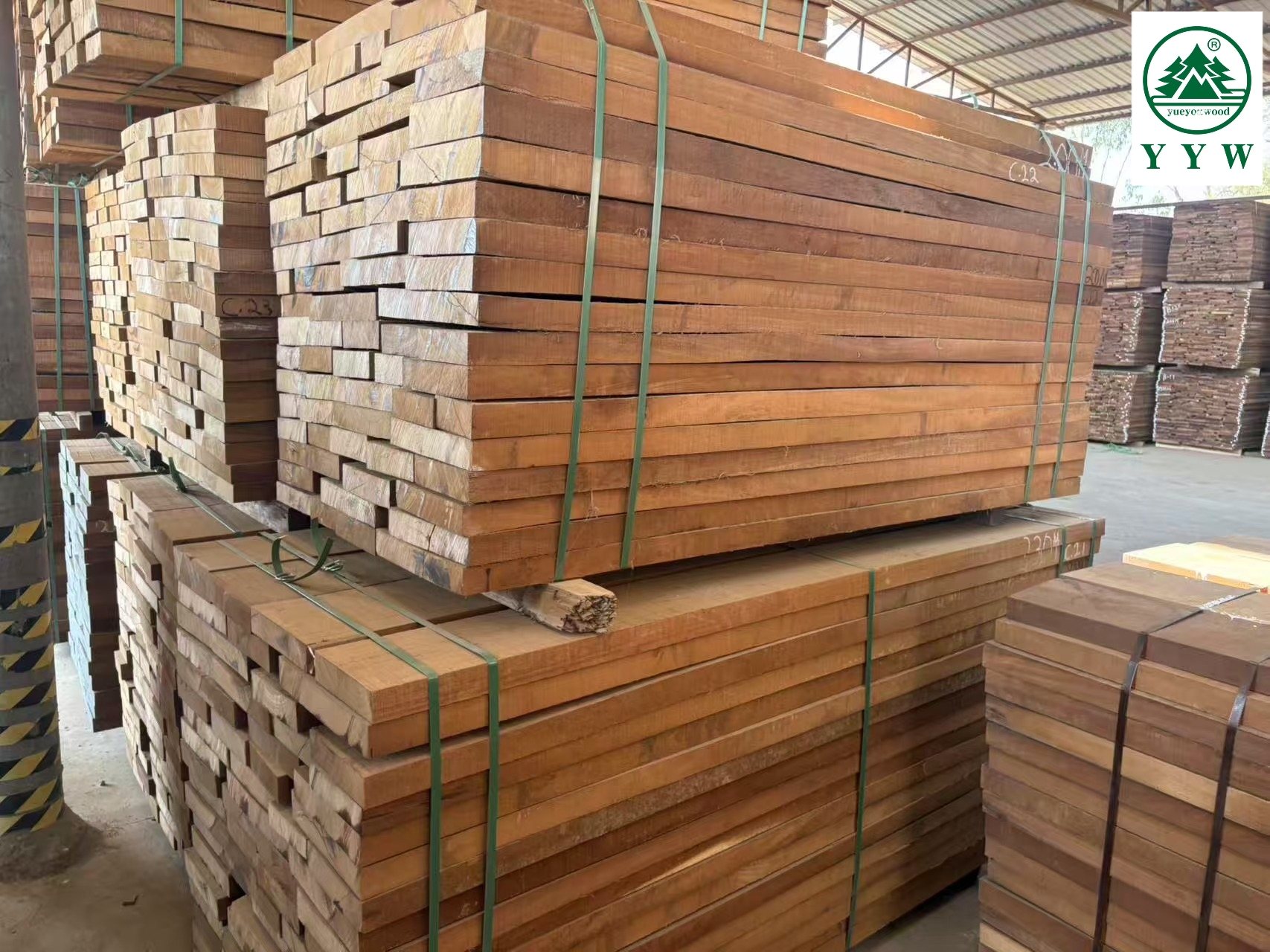
Summary: The primary difference between timber and lumber is largely geographic and contextual. In North America, “timber” typically refers to standing trees or large, un-sawn logs, while “lumber” refers to wood that has been sawn into dimensional boards. Conversely, in the United Kingdom, Australia, and New Zealand, “timber” is the universal term for both standing trees and processed wood, with the term “lumber” rarely being used. For B2B buyers in the global African hardwood market, understanding these nuances is critical for accurate specifications and international trade documentation.
Key Takeaways
- Geographic Usage: “Lumber” is North American; “Timber” is British/Commonwealth English.
- Technical Definition: In the US, timber often refers to wood with a diameter greater than 5 inches, whereas lumber is smaller dimensional stock.
- Industry Context: Timber often describes the raw material (logs), while lumber describes the finished product (boards).
- African Hardwood Context: Suppliers like YYW Timber often use “Sawn Timber” to bridge the gap between regional terminologies.
- Processing: Both terms refer to wood that has been harvested, but the stage of refinement dictates the choice of word in specific markets.
Table of contents
What Is Timber?
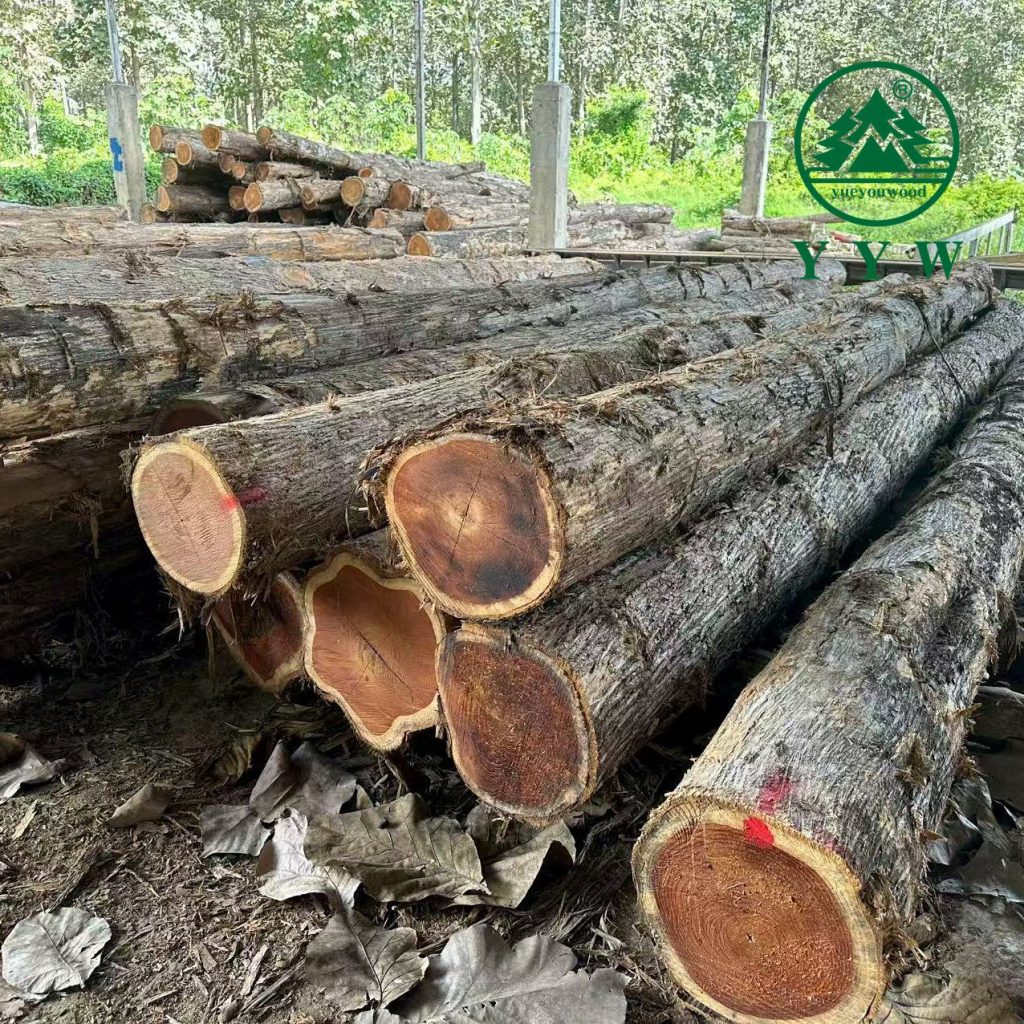
Timber is a term used to describe wood at various stages of the supply chain, particularly in British English-speaking countries. It can refer to the trees themselves (standing timber), felled logs, or wood that has been processed for construction and carpentry.
In a technical B2B context, especially when dealing with African hardwoods like Iroko or Sapele, “timber” is often the preferred term for heavy-duty structural members. According to our experience at YYW Timber, when a client in Europe requests “structural timber,” they are looking for beams that can support significant loads. In the United States, however, the word “timber” is specifically reserved for wood that has not yet been processed into smaller boards, or for very large beams (typically 5×5 inches or larger).
What Is Lumber?
Lumber is the standard North American term for wood that has been processed into dimensional sizes, such as boards, planks, and beams used in framing and furniture manufacturing.
Lumber is typically categorized into two main types: structural and appearance. Structural lumber is graded based on its strength properties, while appearance lumber (often used in the furniture industry) is graded based on aesthetic qualities. For African hardwood exports to the US market, we refer to our sawn products as “hardwood lumber.” This includes species like Mahogany or Ayous that have been kiln-dried and planed to specific thicknesses (e.g., 4/4, 5/4, 8/4 quarters).
The Geographic Divide: UK vs. USA
Why is there so much confusion between these two terms? The answer lies in the evolution of the English language across the Atlantic. In the UK and most Commonwealth nations, “timber” is the all-encompassing word. A person goes to a “timber yard” to buy “timber” for a project.
In the United States and Canada, “lumber” took over as the dominant term for processed wood in the 17th and 18th centuries. In these regions, a “timber yard” would likely stock massive logs or heavy structural beams, while a “lumber yard” would stock 2x4s and plywood. Understanding this distinction is vital for international timber traders to ensure that shipping manifests and contracts match the expectations of local customs and buyers.
Timber vs. Lumber: Technical Specifications and Dimensions
Is there a physical size difference that separates the two? In the American forestry industry, yes. Wood is often classified as “timber” if its smallest dimension is at least 5 inches. Anything smaller than that is classified as “lumber.”
- Timber (US Definition): Large-scale wood used for heavy framing, timber framing, and bridges. Minimum dimension 5″ x 5″.
- Lumber (US Definition): Dimensional wood used for residential framing and finishing. Dimensions ranging from 2″x4″ to 4″x12″.
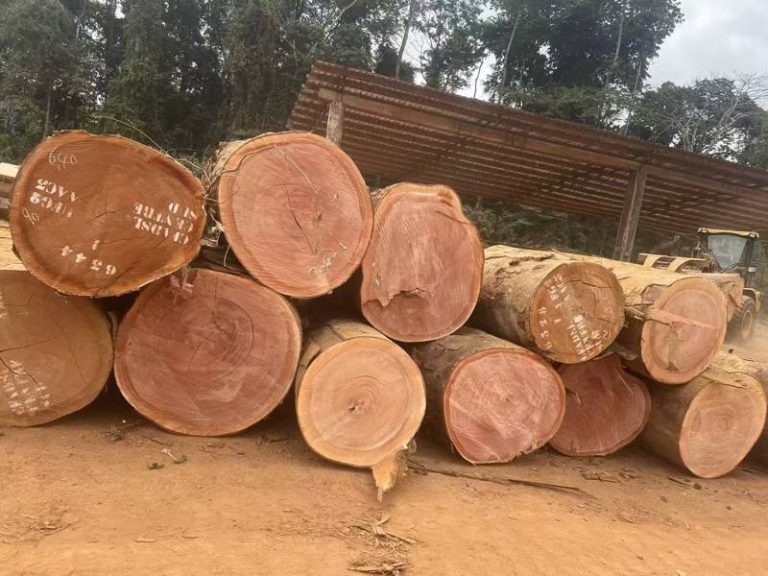
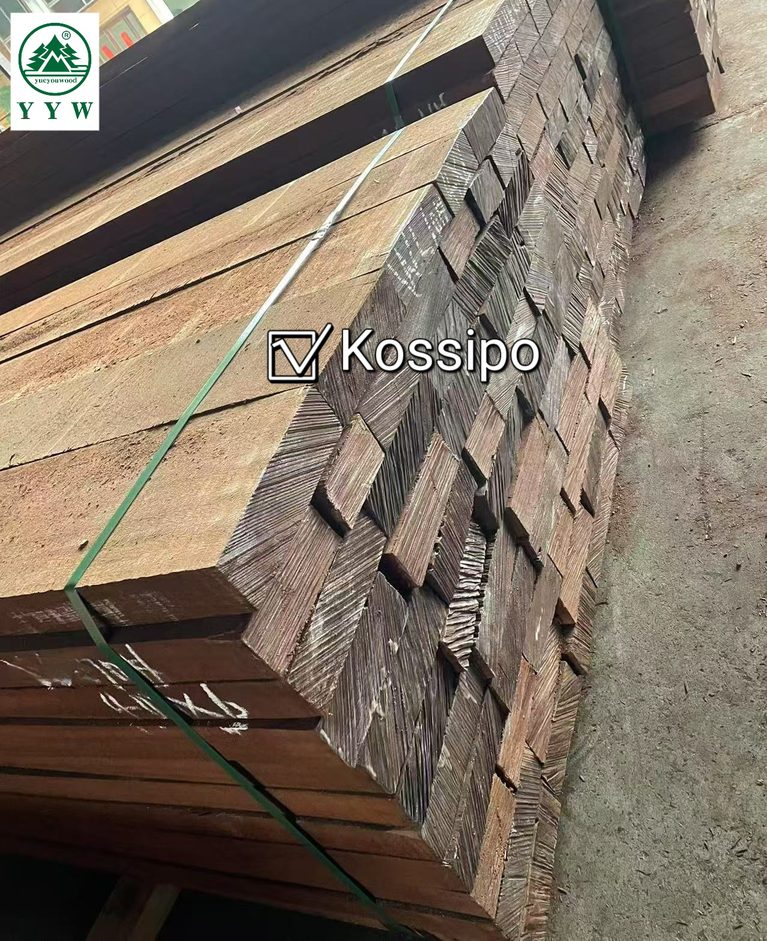
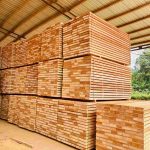
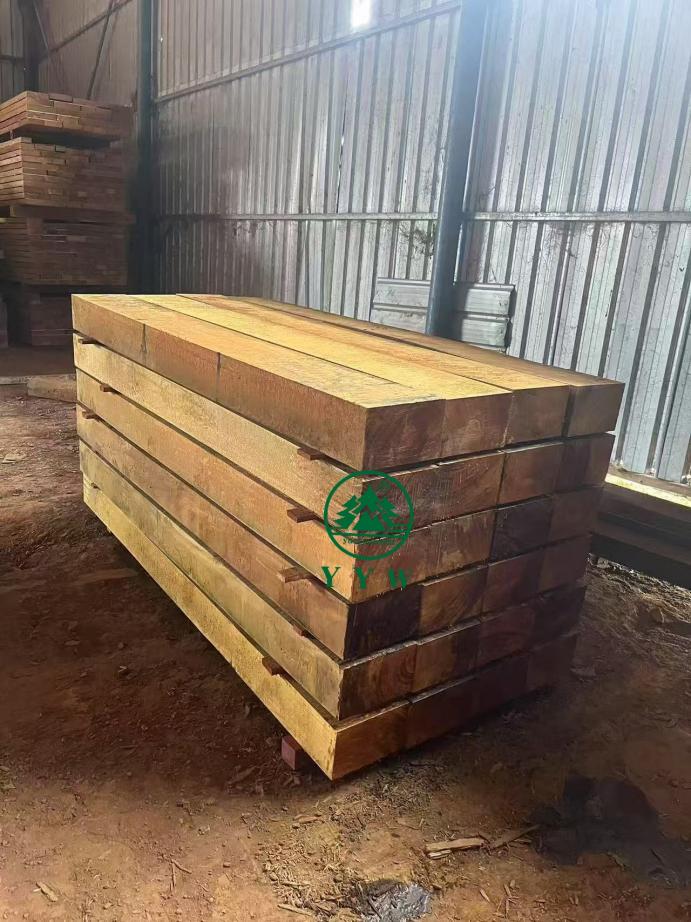
At YYW Timber, we process African square logs that fall into the “timber” category due to their massive size, which are then resawn into “lumber” specifications for flooring and furniture manufacturers. This transition from raw timber to finished lumber represents the core of the timber processing industry.
The Lifecycle of Wood: From Forest to Sawn Product
How does wood evolve from a tree in Africa to a finished product in a global warehouse? The terminology often changes as the wood moves through different stages of processing.
- Standing Timber: The living trees in the forest, managed for sustainable harvesting.
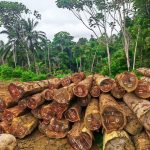
- Felled Timber: Trees that have been cut down but remain as round logs.
- Square Logs (Flitches): The first stage of processing where the bark is removed and the log is squared off.
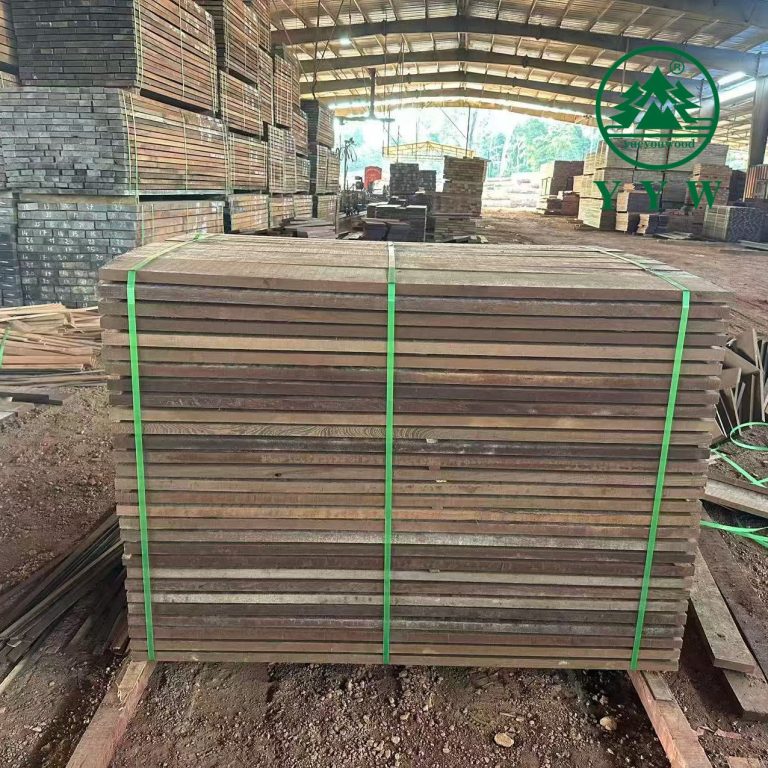
- Sawn Timber/Lumber: The final stage where the wood is cut into specific dimensions (boards, planks, or beams) and often kiln-dried.
For manufacturers, the moisture content is a critical technical factor. Green timber (or lumber) has a high moisture content and is prone to warping. Kiln-dried lumber, which YYW Timber specializes in, has been processed to a moisture level of 8-12%, making it stable for high-end furniture and interior joinery.
Why the Distinction Matters for B2B Hardwood Buyers
For importers and procurement officers, using the correct terminology ensures that expectations regarding grading and size are met. If a buyer asks for “African Timber,” a supplier might assume they are looking for raw logs for their own sawmill. If they ask for “Hardwood Lumber,” the supplier knows they require finished, dimensional boards ready for production.
Furthermore, international standards such as those set by the NHLA (National Hardwood Lumber Association) in the US or various British Standards (BS) in the UK use these terms specifically. Misinterpreting these can lead to errors in load calculations or aesthetic failures in architectural projects.
Technical Comparison Table
| Feature | Timber (Global/UK) | Lumber (North America) |
|---|---|---|
| Primary Usage | Standing trees, logs, and all processed wood. | Sawn, dimensional boards and planks. |
| Size Constraint (US) | Generally 5 inches or thicker. | Generally less than 5 inches thick. |
| UK, Africa, Australia, NZ. | USA, Canada. | |
| B2B Context | Often refers to heavy structural beams. | Often refers to furniture and framing stock. |
| Processing Stage | Can be raw or semi-processed. | Always processed/sawn. |
Conclusion
While the terms timber and lumber are often used interchangeably in casual conversation, the technical differences are significant in the professional woodworking and construction industries. “Timber” reflects the raw strength and initial stages of the wood’s journey, while “lumber” represents the precision and utility of finished boards. For those sourcing high-quality African hardwood, knowing whether you need raw timber or dimensional lumber is the first step toward a successful project.
At YYW Timber, we bridge these regional gaps by providing detailed specifications for every shipment, ensuring our clients receive the exact grade and dimension required, whether they call it timber or lumber.
Ready to source premium African hardwood? Contact YYW Timber today for a custom quotation on round timber logs, square logs, or sawn timber.
The main difference is geographic usage. “Lumber” is the preferred term in North America for processed wood, while “timber” is used in the UK and Australia. In a technical sense in the US, wood over 5 inches thick is called timber, while thinner wood is called lumber.
Not necessarily. Strength depends on the wood species and grade rather than the name. However, because “timber” in the US refers to larger, thicker pieces, it is typically used for heavy structural applications where high load-bearing capacity is required.
Sawn timber is wood that has been cut from a log into square or rectangular shapes. It is the international term often used by African exporters to describe what North Americans would call “lumber.”
It can be both. When the trees are standing or being shipped as logs, it is timber. Once it is sawn into boards for furniture making, it is referred to as hardwood lumber in the US or sawn timber in Europe.
Standing timber refers to live trees in a forest that have not yet been harvested. This term is used by foresters and land owners to estimate the value of wood available for future logging.