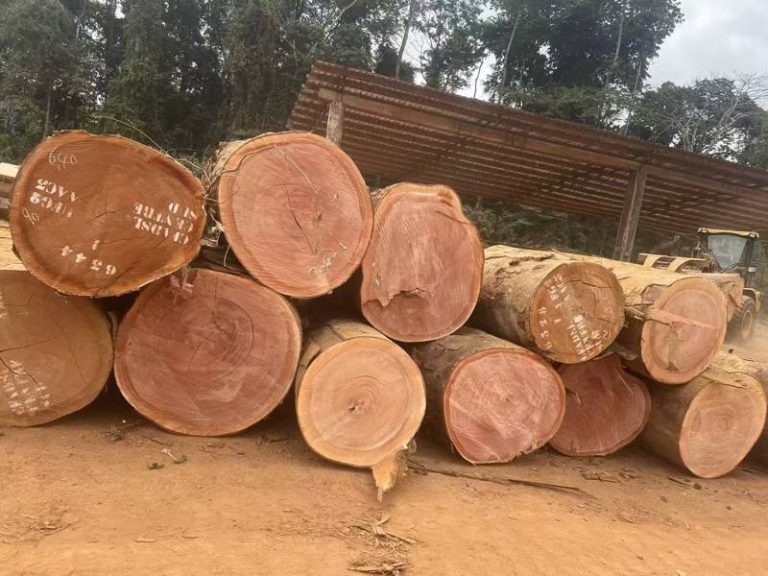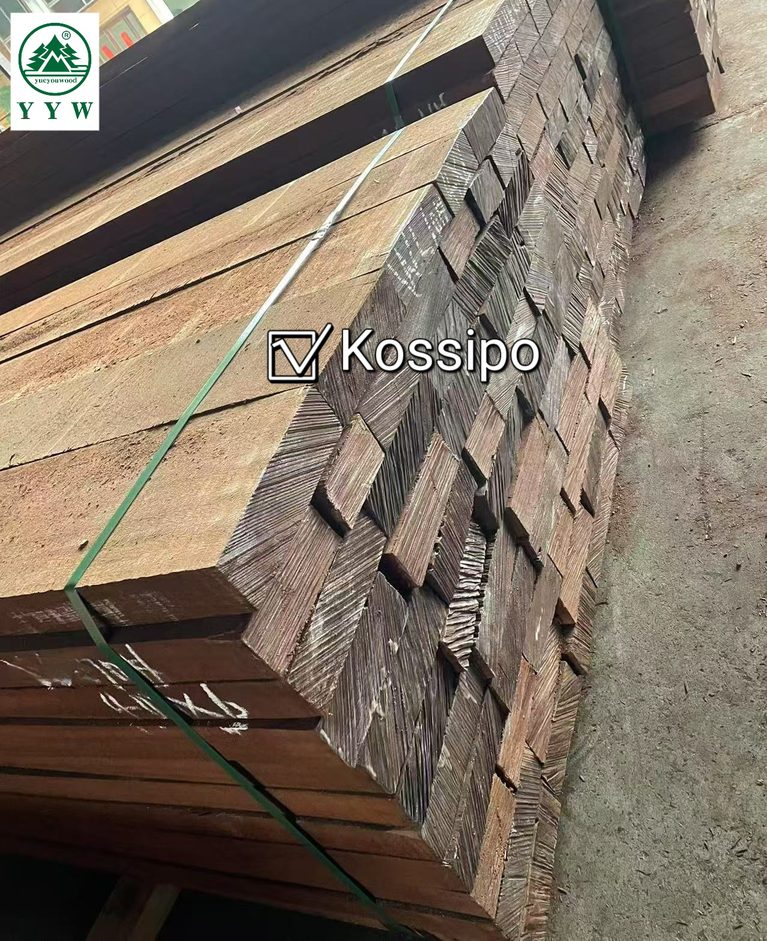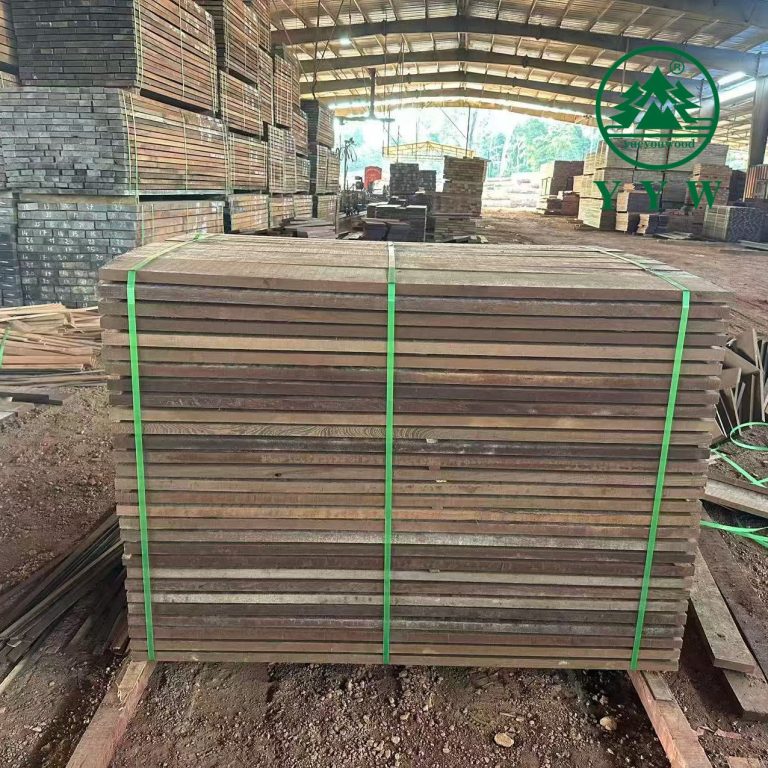
Acacia wood export delivers high ROI for global timber traders, offering durable FAS-grade sawn timber and log cants compliant with CITES, FSC, and FLEGT standards. Exporters benefit from stable markets across Europe, Asia, and the Middle East.
Key Takeaways
- Acacia wood is prized for hardness, stability, and durability in international markets.
- FAS-grade sawn timber and log cants dominate high-end exports.
- Compliance with CITES, FSC, and FLEGT is mandatory for legal trade.
- Primary markets include Europe, Asia, and the Middle East.
- Market trends show increasing demand for sustainably sourced hardwoods.
- Exporters should optimize supply chain and logistics for efficiency.
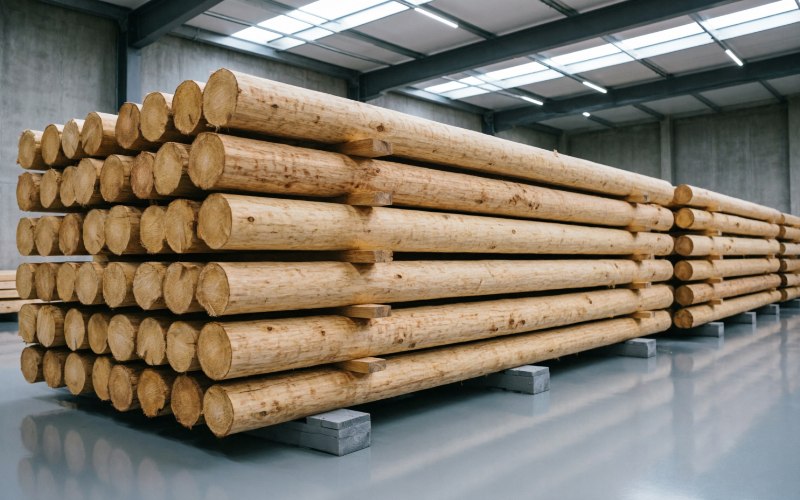
Understanding Acacia Wood Characteristics
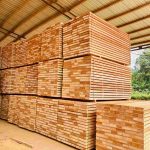
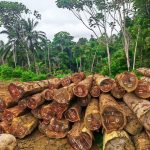
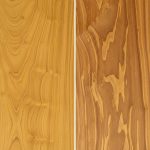
Acacia wood is highly valued for its dense fiber structure, rich grain patterns, and resistance to decay. These traits make it ideal for furniture, flooring, and construction applications. FAS-grade sawn timber ensures uniformity and minimal defects, while log cants provide cost-effective bulk for industrial processing.
| Property | Value |
|---|---|
| Density | 750-900 kg/m³ |
| Moisture Content | 8-12% |
| Janka Hardness | 2,300 lbf |
| Durability | High |
| Color | Light to medium brown with reddish hues |
Global Market Trends for Acacia Wood
Demand for Acacia timber has risen steadily in Europe and Asia due to its sustainability credentials and versatile applications. Exporters are increasingly required to provide documentation proving legal harvest, including CITES permits for protected species, FSC certification for sustainable forestry, and FLEGT licensing for EU trade.
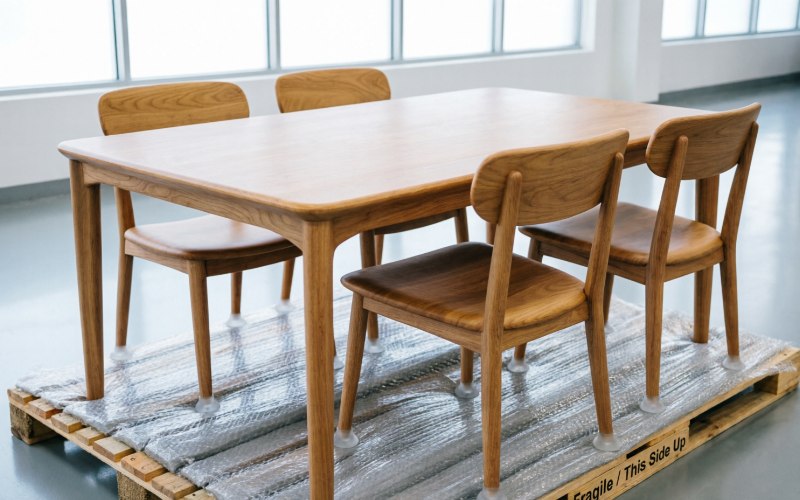
Export Procedures and Legal Compliance
Successful export of Acacia wood requires compliance with international regulations. FAS-grade timber and log cants must be inspected, documented, and legally sourced.
- CITES: Ensures trade of endangered species is legal.
- FSC: Confirms sustainable forestry practices.
- FLEGT: Guarantees timber legality for the EU market.
Exporters must also align with shipping standards, including proper drying, packaging, and fumigation protocols to prevent pest infestation.
Technical Specifications for Export
High-value Acacia timber is graded and sized according to international standards. Below is a technical specification matrix for reference:
| Grade | Dimension (mm) | Defects Allowed | Typical Application |
|---|---|---|---|
| FAS | 25×100-300 | Minimal knots, cracks | High-end furniture, flooring |
| Select | 25×50-200 | Moderate knots | Cabinetry, veneers |
| Utility | 25×50-150 | Knots, minor splits | Industrial panels, joinery |
Processing and Logistics Considerations
Efficient processing and logistics can improve margins significantly. Key considerations include:
- Kiln drying to maintain 8-12% moisture content.
- Optimizing cutting patterns for FAS-grade utilization.
- Packaging for bulk shipments to reduce damage.
- Container selection and loading sequence for international freight.
Market Entry Strategies for Exporters
To maximize market penetration:
- Focus on sustainable and legally compliant timber to meet EU and Asian market standards.
- Establish relationships with wholesalers and distributors in Europe, Middle East, and Southeast Asia.
- Leverage e-commerce platforms and B2B marketplaces for visibility.
- Highlight FAS-grade timber and log cant offerings in marketing materials.
Pricing and Investment Considerations
Pricing depends on grade, dimensions, and destination. FAS-grade Acacia commands premium rates due to quality and limited supply. Investors should assess local forestry practices, harvesting costs, and export fees. Diversifying markets mitigates currency and geopolitical risks.
Future Outlook for Acacia Wood Industry
Global demand for sustainable hardwoods is expected to grow by 5-7% annually over the next decade. Exporters investing in certification and supply chain optimization will benefit from long-term stability. Innovations in processing and kiln drying are further enhancing wood quality and market appeal.
Internal and External Resources
- FSC Official Website
- CITES Official Website
- EU FLEGT Information
- Sawn Timber Grading Guide
- Timber Export Logistics Tips
Frequently Asked Questions
FAS-grade sawn timber is preferred for export due to minimal defects, uniformity, and high market value.
Europe, China, Japan, and the Middle East are primary importers, favoring sustainably sourced, certified timber.
CITES, FSC, and FLEGT certifications ensure legality and sustainability compliance in international markets.
Timber is kiln-dried to 8-12% moisture, graded for defects, and packaged to prevent damage during transit.