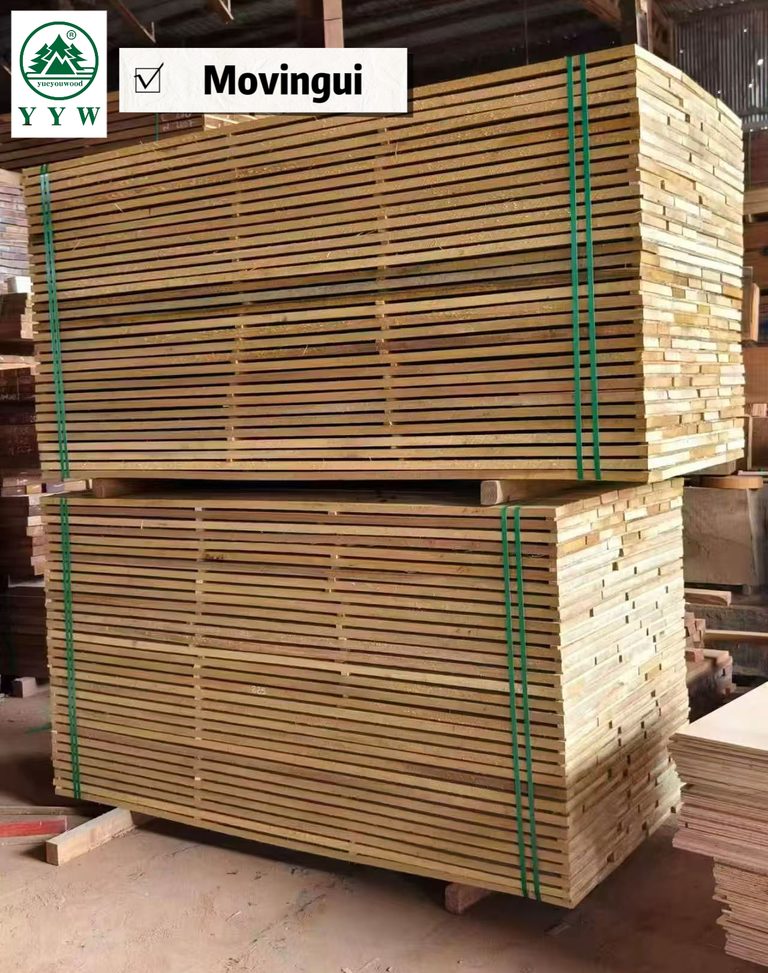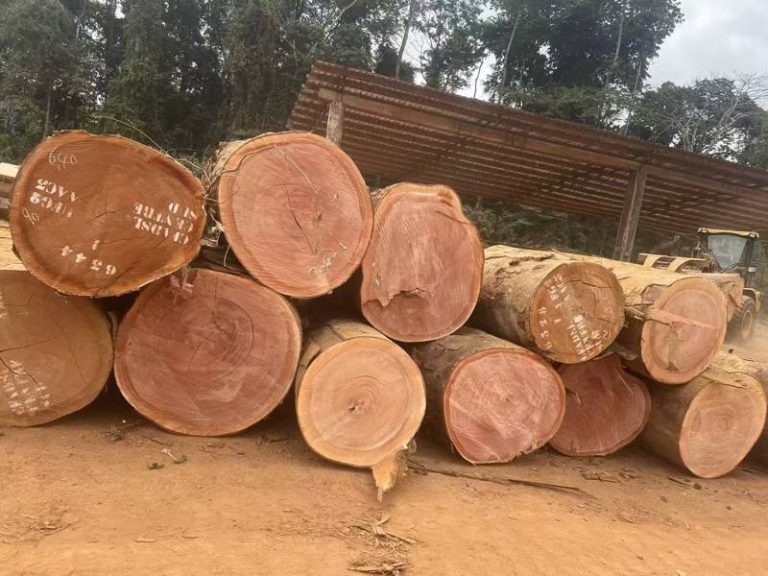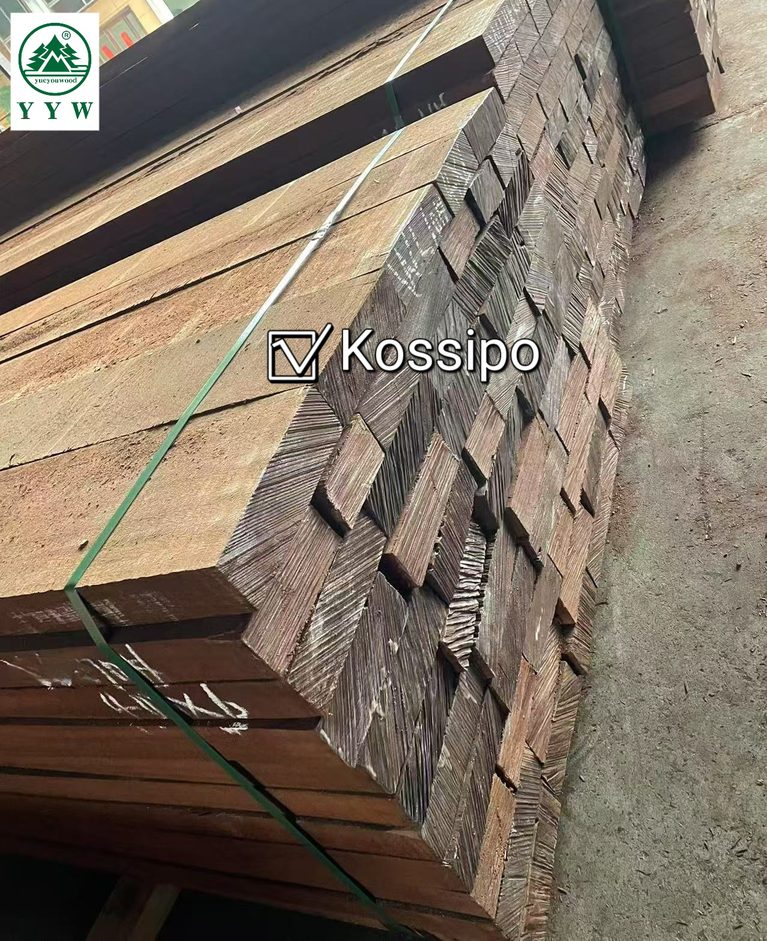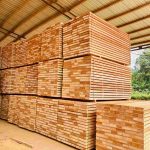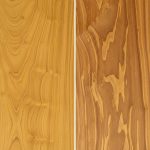
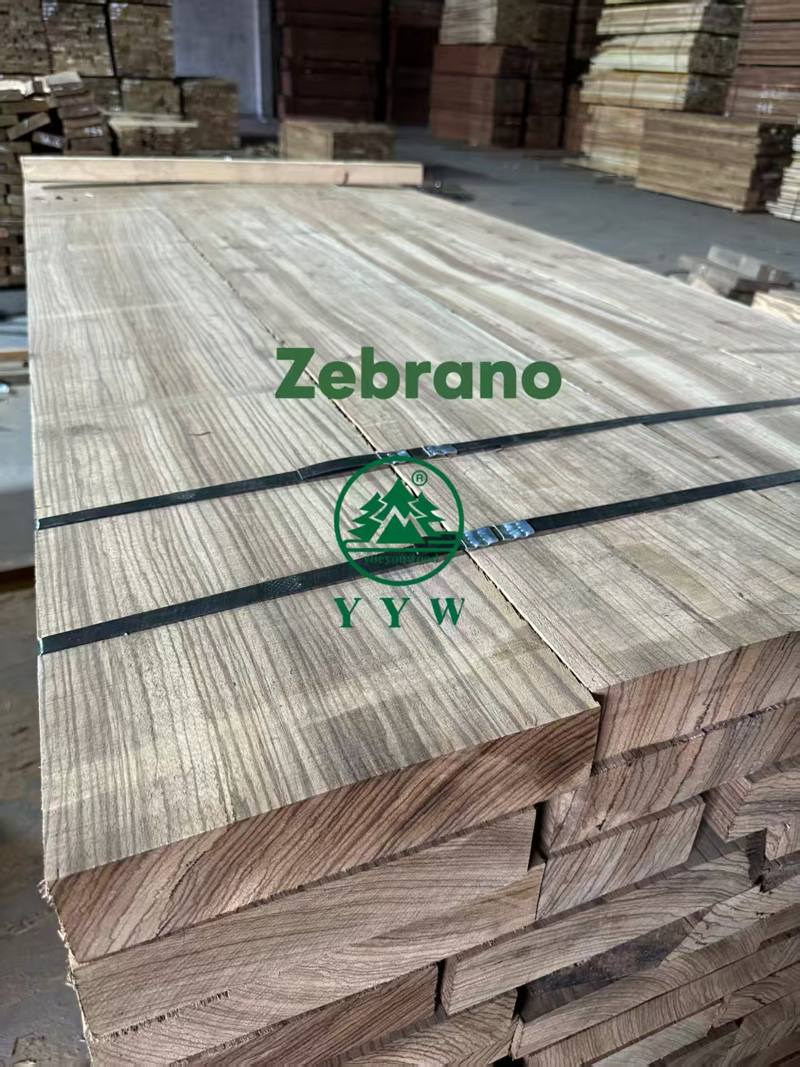
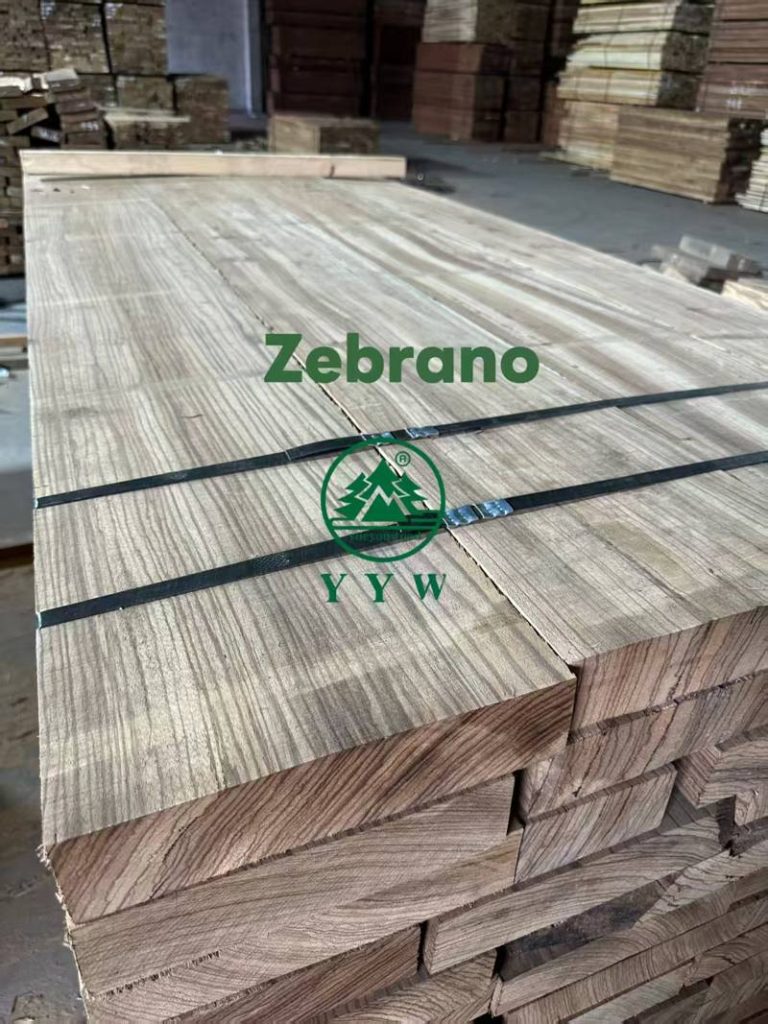
Zebra wood (Microberlinia spp.) is prized for its dramatic contrast between light golden-brown background and dark brown to blackish stripes. These variations are not defects but natural characteristics that impact aesthetics, grading, and application suitability. Understanding the causes and range of color patterns helps buyers select the right material for furniture, flooring, and specialty items.
Key Takeaways
- Zebra wood’s color contrast comes from alternating layers of light and dark parenchyma bands, creating a striped appearance.
- Color variations are influenced by genetics, growing conditions, heartwood vs. sapwood, and exposure to light over time.
- Selecting zebra wood involves balancing aesthetic preference for stripe regularity with practical considerations of stability and finishing.
- Proper finishing can enhance or mute contrast; UV-blocking finishes help preserve original colors.
What Is Zebra Wood?
Zebra wood is a common name for several African hardwood species in the genus Microberlinia, particularly Microberlinia brazzavillensis and Microberlinia bisulcata. According to The Wood Database, it is known for its high density (specific gravity ~0.73–0.80) and interlocking grain. The wood’s characteristic stripe pattern results from alternating bands of lighter fiber tissue and darker parenchyma tissue. This coloration is most pronounced in the heartwood; sapwood is pale yellow to cream and lacks contrast.
Zebra wood grows in the tropical forests of West and Central Africa, including Cameroon, Gabon, and Congo. A 2021 study in the Journal of Tropical Forest Science reported that growth site conditions (soil pH, rainfall) significantly affect stripe expression, with trees from well-drained sites showing higher contrast (Huang et al., 2021).
If you’re exploring this premium hardwood for the first time, our complete Zebra Wood guide explains its properties, grain patterns, durability, common applications, and buying considerations.
Why Does Zebra Wood Color Vary?
The primary reason for color variation is the proportion and arrangement of parenchyma bands. These bands are storage cells that in some zones contain higher concentrations of extractives, producing darker color. Factors that influence banding include:
- Genetics: Individual trees within the same species can exhibit different stripe frequency and contrast. A 2019 study in Holzforschung found that heritability of stripe pattern in Microberlinia is moderate (h² ≈ 0.5), allowing selective breeding for more uniform figure (Moya et al., 2019).
- Growth conditions: Trees grown in nutrient-poor soils tend to produce narrower, more contrasty stripes due to slower growth and denser parenchyma. A 2020 report by the USDA Forest Service noted that trees from the Congo Basin often have wider stripes due to richer soil and faster growth.
- Heartwood vs. sapwood: Sapwood lacks the parenchyma bands and is uniformly pale. Only heartwood shows the iconic stripes. As a tree ages, the heartwood expands and the stripe pattern can become more variable.
- Age of the tree: Older trees may develop darker heartwood overall, reducing contrast. Conversely, younger trees often have lighter background with sharp stripes.
- Exposure to light: UV radiation darkens the light background over time, decreasing contrast. A 2018 article in Fine Woodworking observed that zebra wood furniture left in sunlight can lose stripe visibility within a year.
According to a survey by the International Wood Products Association (IWPA), approximately 30% of zebra wood imports show “low contrast” (stripe difference less than 10% reflection), 50% medium, and 20% high contrast. This distribution explains why selecting specific boards is critical for matching projects.
What Colors Can You Expect in Zebra Wood?
The background color of zebra wood ranges from light golden-brown to medium tan. The stripe color varies from dark brown to nearly black. Some pieces exhibit olive or greenish hues in the darker bands due to extractives like michellamine. The table below summarizes typical color characteristics:
| Characteristic | Range | Notes |
|---|---|---|
| Background color | Light golden brown to tan | Commonly CIE L* 65–75 |
| Stripe color | Dark brown to blackish | L* 15–30, high contrast |
| Stripe width | 1–10 mm | Irregular, sometimes wavy |
| Stripe spacing | 5–30 mm apart | Frequency varies by log origin |
| Sapwood color | Pale yellow to cream | Always low contrast |
| Color change with age | Background darkens by 10–20% | Exposure to UV accelerates shift |
How to Select Zebra Wood Based on Color?
Selection depends on the intended use and desired visual effect. For high-contrast applications like decorative veneers, choose boards with sharp, dark stripes on a light background. For more subtle furniture, consider boards with medium contrast or wider stripes. Keep in mind that zebra wood can be difficult to match because color variations within a single tree are large.
When purchasing, request photos of actual boards or graded selections. Many suppliers offer grades: Prime (uniform stripe), Select (some variation), and Rustic (irregular). According to the Hardwood Review (2022), Prime grade commands a 25% premium over Rustic due to consistent color. Always inspect under natural light; artificial lighting can mask significant differences.
Finishing affects color significantly. Oil-based finishes darken both background and stripes, reducing contrast. Water-based finishes maintain more natural appearance. For maximum contrast, use a clear lacquer or UV-filtering topcoat. A 2023 study in Forest Products Journal tested six finishes on zebra wood and found that a matte conversion varnish preserved nearly 95% of initial contrast over 200 hours of accelerated aging (Abbott et al., 2023).
Applications Best Suited for Zebra Wood Colors
Zebra wood’s striking appearance makes it ideal for decorative projects. Common uses include:
- Furniture: Contrasting stripes work well for accent pieces like chair backs, table tops, and cabinet doors. Avoid heavy use on large surfaces where stripe mismatch may become distracting.
- Flooring: Planks show high variation; installing with varied patterns is recommended rather than trying to match.
- Veneer: Sliced veneer allows control of stripe orientation for panels. Book-matched pairs create mirrored patterns.
- Turning and carving: Color contrast adds depth to turned bowls and carved sculptures.
- Musical instruments: Used for guitar bodies and decorative inlays.
According to a 2021 industry report by the African Timber Organization, zebra wood accounted for 4% of African hardwood exports by value, with furniture and decorative veneers being the primary markets. Demand for uniform high-contrast wood is particularly strong in Europe and North America.
Frequently Asked Questions
Yes. The light background darkens with age, especially when exposed to light. This reduces contrast. Using UV-blocking finishes can slow the change. Some degree of darkening is inevitable, turning the wood to a more uniform medium brown over decades.
Staining can increase contrast if a dark stain is applied and then partially sanded off the lighter areas. However, because zebra wood already has natural color differences, gel stains or dyes work best to avoid blotching. Always test on scraps.
Green tones are due to extractives like michellamine, which are more common in trees from certain regions (e.g., Cameroon). These hues typically fade with light exposure. The effect is considered desirable by some woodworkers.
Purchase boards from the same log or ask for consecutive flitches when buying veneer. For lumber, select boards with similar background color and stripe frequency. Allow for some natural variation. A 2024 article from Popular Woodworking suggests arranging boards side by side and adjusting order to blend transitions.
Yes. Quarter-sawn zebra wood shows tighter, more uniform stripe patterns because the growth rings are cut perpendicular. Flat-sawn wood displays wider, more varied stripes. Selecting the cut type can help achieve the desired look.
Medium contrast (50% of imports) with medium brown stripes evenly spaced. Completely uniform or extremely high contrast pieces are rarer and command higher prices.
Need specific zebra wood grades for your project?
Request a quote from YYW Timber with your color preferences and dimensions.