This guide provides a comprehensive overview of the most commercially significant African hardwood species, including their technical properties, typical applications, and sourcing considerations for B2B buyers.
Key Takeaways
- Over a dozen African hardwood species are widely traded, each with distinct properties.
- Density and durability vary significantly; choose species based on application requirements.
- Proper sourcing ensures compliance with sustainability and quality standards.
- Understanding grading and specifications is crucial for procurement.
What Are the Most Commercially Important African Hardwood Species?
African hardwoods are prized for their durability, aesthetics, and workability. The following species are particularly significant in international trade:
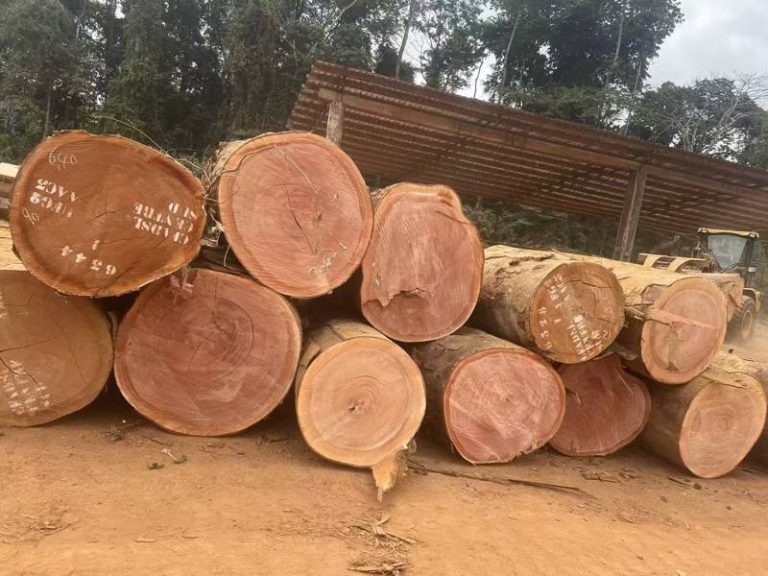
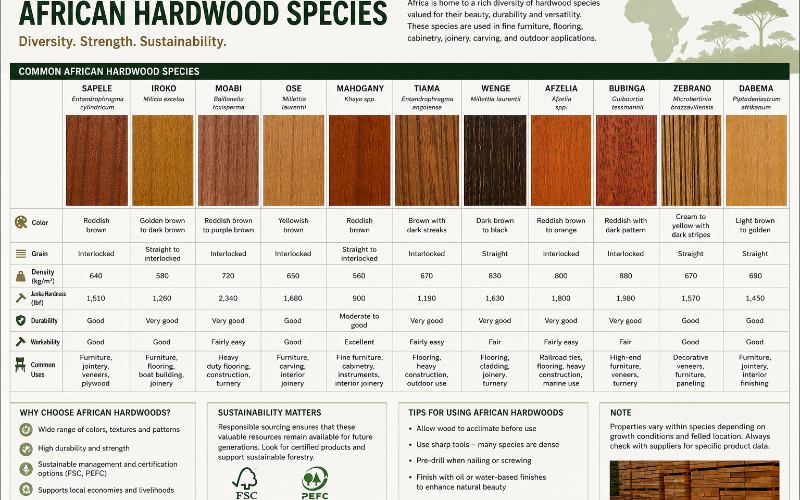
- African Mahogany (Khaya spp.): Known for its reddish-brown color and moderate density (530–650 kg/m³). Used in fine furniture, boat building, and veneers.
- Iroko (Milicia excelsa): A durable teak substitute with density around 650 kg/m³. Excellent for outdoor joinery and marine applications.
- Sapele (Entandrophragma cylindricum): Medium density (620–670 kg/m³) with interlocked grain. Popular for flooring, joinery, and musical instruments.
- Wenge (Millettia laurentii): Very dense (870–920 kg/m³) and dark brown. Used in heavy construction, flooring, and turned objects.
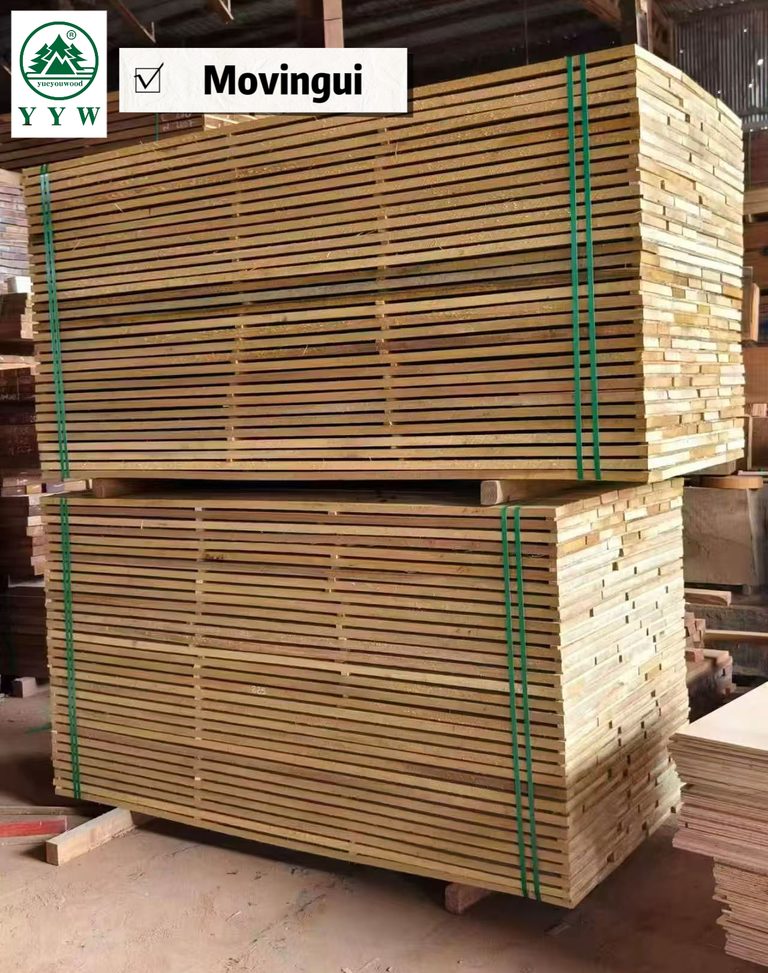
- Bubinga (Guibourtia spp.): Extremely dense (830–950 kg/m³) with reddish hues. Ideal for luxury furniture and knife handles.
- Afrormosia (Pericopsis elata): CITES-listed, dense (710–800 kg/m³), resembling teak. Used for high-end joinery and furniture.
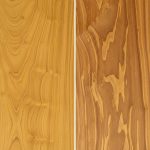
- Zebrano (Microberlinia brazzavillensis): Striking striped grain, density 690–740 kg/m³. Prized for decorative veneers and parquet.
How Do the Mechanical Properties of African Hardwoods Compare?
| Species | Density (kg/m³) | Janka Hardness (N) | Durability Class | Common Uses |
|---|---|---|---|---|
| African Mahogany | 530–650 | 4,900 | Moderate | Furniture, veneers |
| Iroko | 650 | 6,100 | Very Durable | Outdoor joinery, marine |
| Sapele | 620–670 | 6,800 | Durable | Flooring, joinery |
| Wenge | 870–920 | 8,600 | Very Durable | Construction, flooring |
| Bubinga | 830–950 | 9,300 | Very Durable | Luxury furniture, handles |
| Afrormosia | 710–800 | 7,800 | Very Durable | High-end joinery |
| Zebrano | 690–740 | 7,200 | Durable | Decorative veneers |
What Are the Key Applications of These Species?
Choosing the right species depends on the intended use. Here is a breakdown by application:
Flooring: Species with high Janka hardness and durability, such as Wenge, Bubinga, and Sapele, are ideal for heavy-traffic areas. Iroko is suitable for outdoor decking due to its resistance to decay.
Furniture: African Mahogany and Bubinga are favored for their workability and aesthetic appeal. Zebrano offers unique grain patterns for statement pieces. Sapele is commonly used for cabinet making.
Construction & Joinery: Iroko and Afrormosia provide structural strength and are often used in windows, doors, and beams. Wenge is chosen for heavy-duty structural members.
Marine & Outdoor: Iroko and Afrormosia have excellent natural resistance to moisture and insects, making them suitable for docks, boat building, and outdoor furniture.
Learn more about difference between hardwood and softwood
Top 10 African Hardwood Species: 2026 Importer’s Guide
How to Source and Import African Hardwoods?
Successful procurement requires attention to sustainability, grading, and logistics.
- Sustainability Certification: Insist on FSC or PEFC certification to ensure legal harvesting. CITES-listed species like Afrormosia require permits.
- Grading Standards: Familiarize yourself with grading rules (e.g., NHLA, LIS). Specify grades like FAS or Select for high-quality appearance applications. Learn about How to Verify FAS Grade
- Moisture Content: For dimensional stability, request kiln-dried lumber (8–12% MC). Green lumber can be dried on arrival but may incur shrinkage. Timber Moisture Content Guide
- Logistics: Partner with experienced exporters who handle documentation (bill of lading, phytosanitary certificates). Consider consolidation for container loads.
Frequently Asked Questions
Get a Quotation for Your Next Project
At YYW Timber, we supply premium African hardwoods in logs, square logs, and sawn timber. Our team can assist with species selection, grade recommendations, and logistics. Contact us today for a competitive quotation tailored to your specifications.
Ensure your supply chain with Africa’s most trusted hardwood partner.