Summary: In the global African hardwood trade, the choice between logs and sawn timber is a strategic decision that impacts yield, logistical costs, and manufacturing flexibility. Logs provide maximum customization and are ideal for manufacturers with industrial milling capacity, whereas sawn timber offers standardized grading, lower shipping waste, and immediate usability. This guide explores the technical specifications of African species like Sapele, Iroko, and Tali to help B2B system integrators and importers optimize their supply chains.
Key Takeaways
- Logs offer higher customization for specialized dimensions but require significant in-house processing and result in higher shipping costs due to waste.
- Sawn Timber is graded to international standards (FAS/Common) and is typically Kiln-Dried (KD), reducing moisture-related defects.
- Logistics: Sawn timber provides better container utilization (up to 20% more usable wood per 40ft HC container).
- Applications: Use logs for veneer production and large structural beams; use sawn timber for flooring, furniture, and joinery.
What is the Difference Between African Hardwood Logs and Sawn Timber?
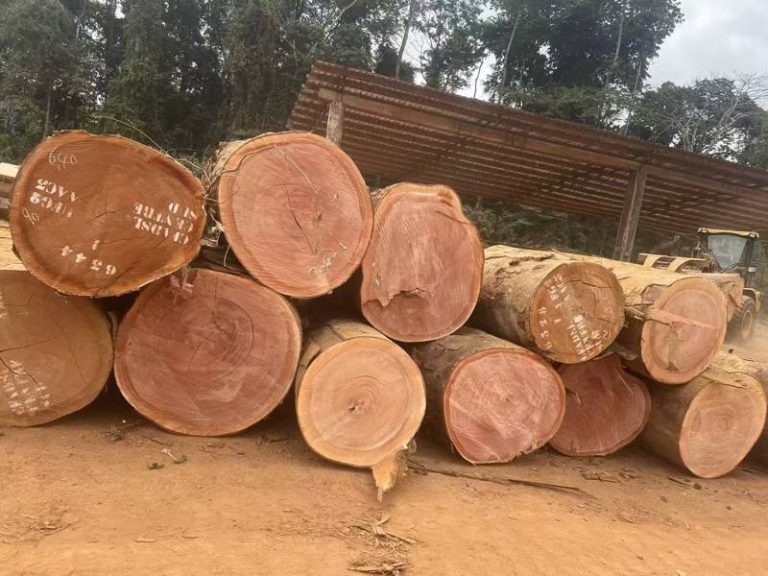
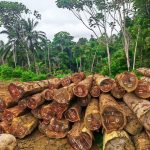
The fundamental difference lies in the stage of processing and the resulting logistical efficiency. African hardwood logs are raw, unprocessed tree trunks, while sawn timber consists of logs that have been industrially milled into specific thicknesses, widths, and lengths.
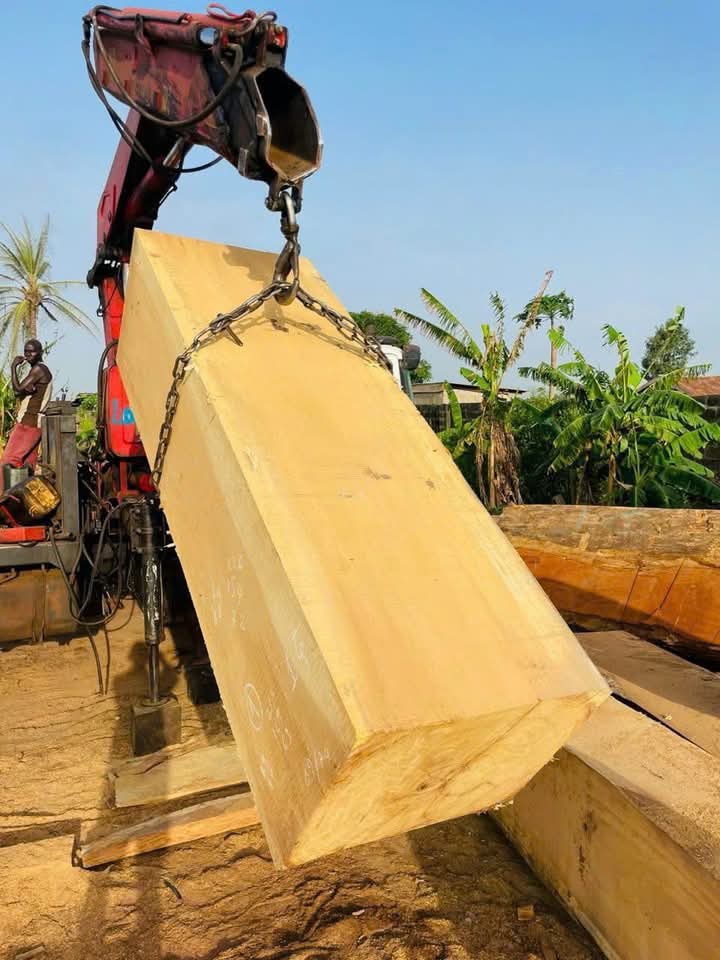
For B2B buyers, this distinction is not merely physical but economic. Logs are often exported as “Round Logs” or “Square Logs” (barked or roughly squared to reduce weight). Sawn timber, however, undergoes primary processing in African sawmills. This process removes the sapwood, bark, and defects, leaving only the usable heartwood. For high-density species like Tali (Erythrophleum ivorense) or Azobe (Lophira alata), the choice of format determines the equipment needed for secondary manufacturing and the total cost of ownership (TCO).
When Should You Import African Hardwood Logs?
Importing logs is the preferred strategy for large-scale manufacturers who possess advanced milling infrastructure and require high-yield customization that standard sawn dimensions cannot provide.
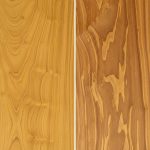
Logs are particularly valuable for veneer production. Species like Sapele (Entandrophragma cylindricum) and African Mahogany (Khaya ivorensis) are frequently imported as high-grade veneer logs. In this format, the buyer can control the slicing or peeling process to ensure grain consistency across large architectural projects. Furthermore, logs allow for the extraction of “Boules”—where a log is sawn into planks but kept together in its original shape—ensuring that all boards in a shipment share identical color and texture profiles, which is critical for high-end furniture and cabinetry integrators.
Log Grading and Specifications
African logs are typically graded based on their diameter and quality. Technical buyers look for:
- Diameter: Usually measured at the small end (under bark). Premium logs often exceed 60cm to 100cm.
- Length: Standard export lengths range from 5m to 12m.
- Grade A/B: Minimal knots, no heart rot, and straight grain.
- Square Logs: Often preferred for species like Iroko to maximize container space and reduce shipping taxes in certain West African jurisdictions.
What Are the Advantages of Purchasing Sawn Timber?
Sawn timber is the industry standard for buyers who prioritize predictable quality, standardized grading, and logistical efficiency over raw material volume.
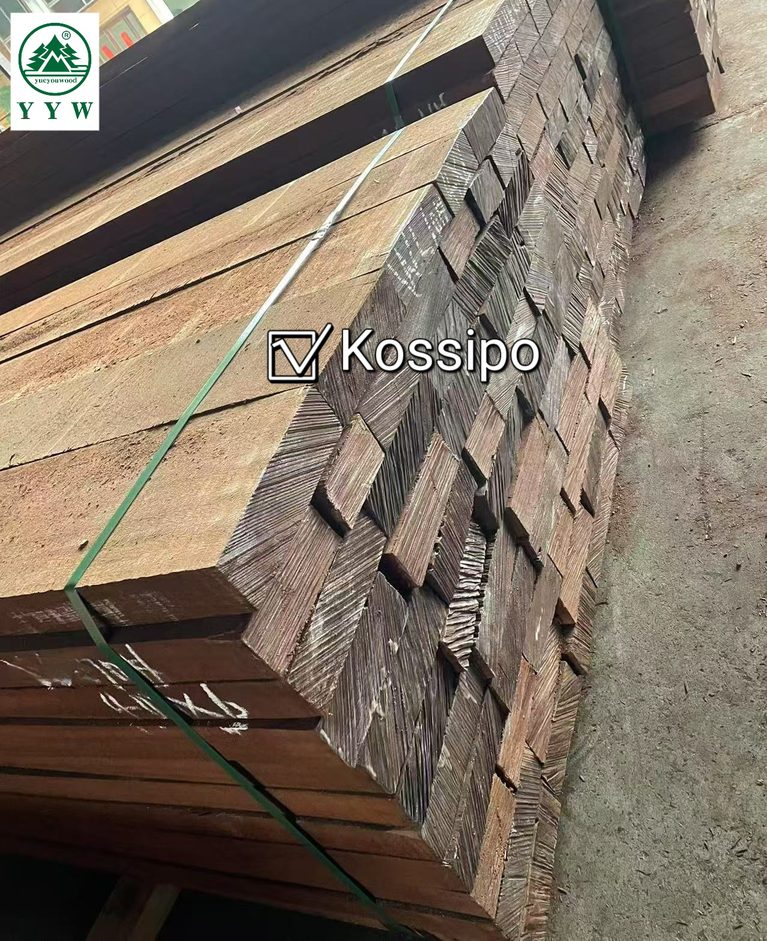
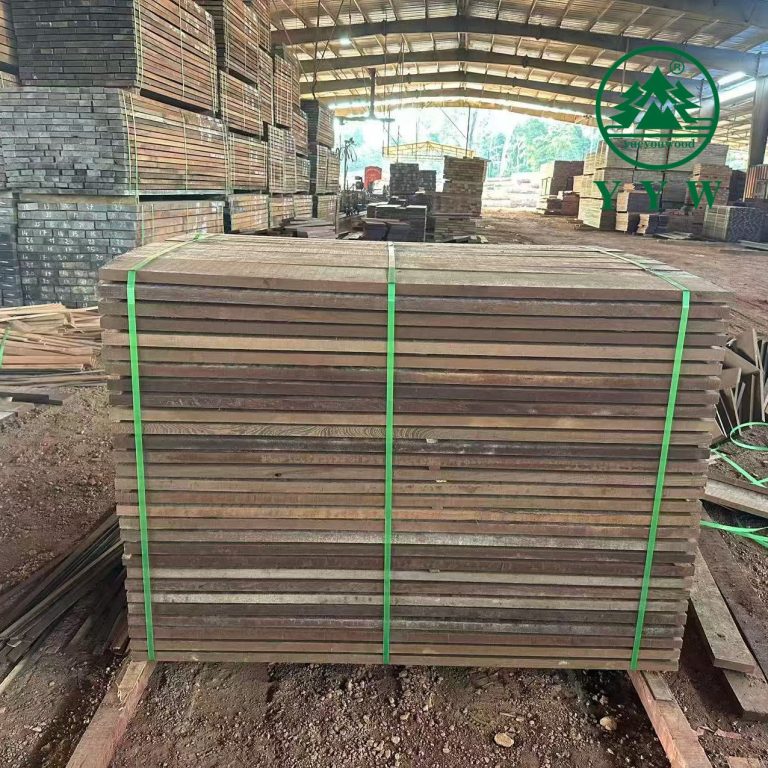
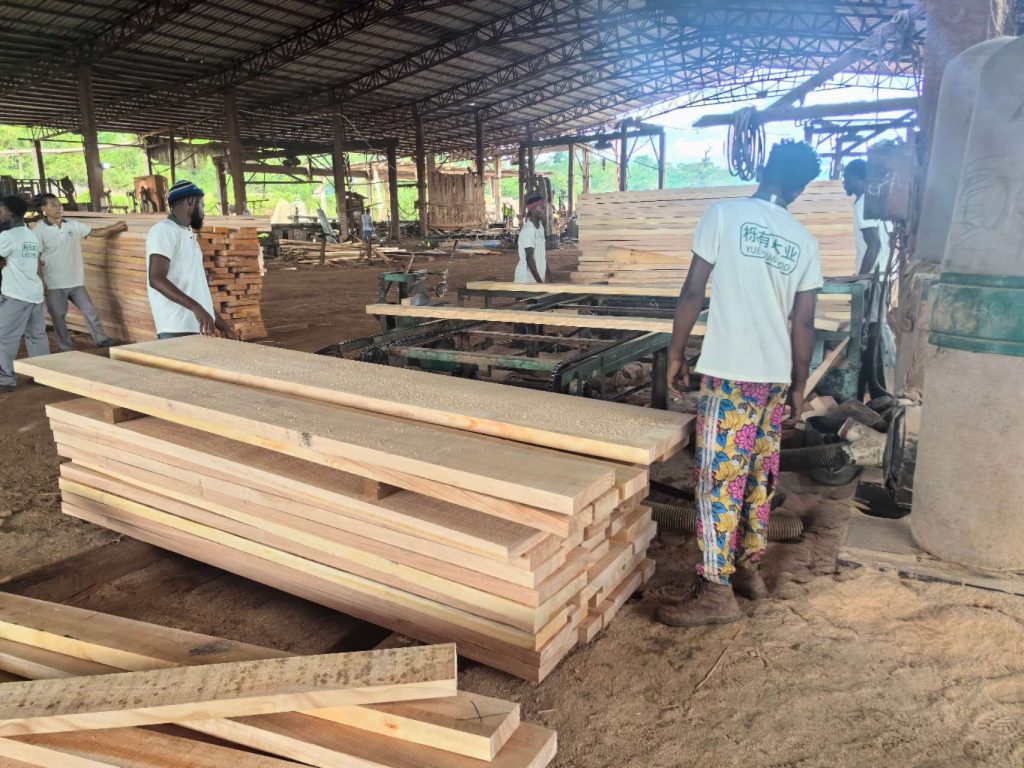
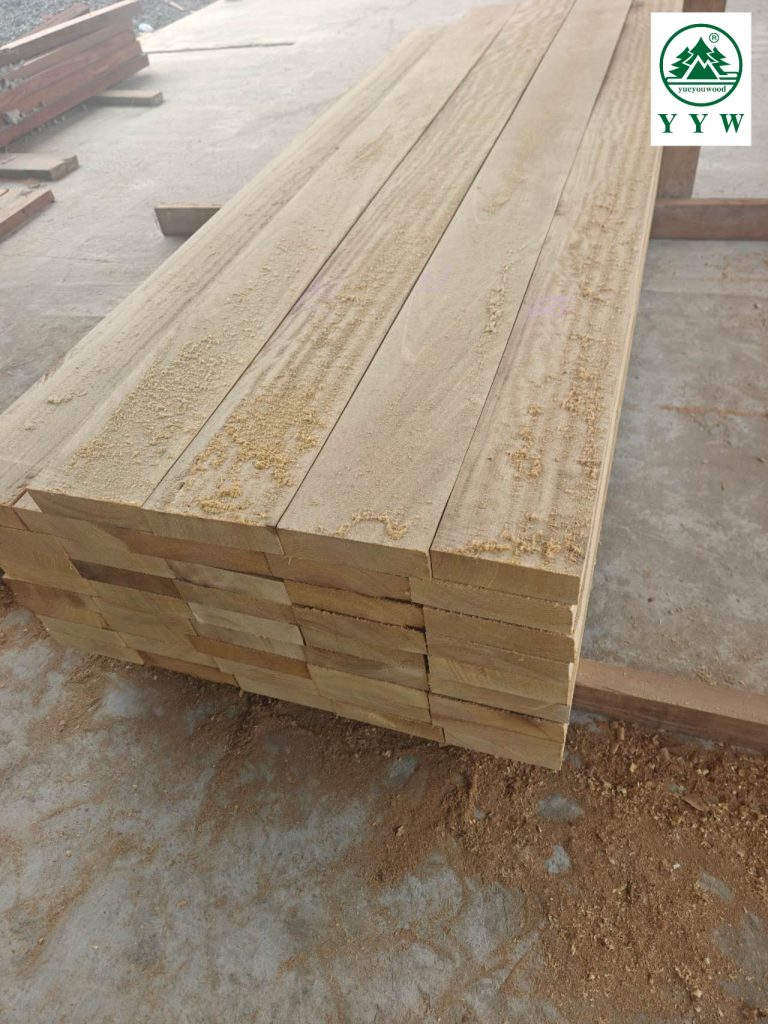
The primary advantage of sawn timber is the removal of non-commercial wood (bark and sapwood) at the source. This significantly reduces the weight and volume of the shipment. Furthermore, sawn timber is often Kiln-Dried (KD) to a specific moisture content (typically 10-14%). Drying wood at the source stabilizes the material, preventing the warping, splitting, and fungal growth that can occur during the 30-45 day transit from African ports to global markets.
Standard Sawn Dimensions and Grading
B2B importers usually request specific grades such as FAS (First and Seconds), which ensures a high percentage of clear-face cuttings. Technical specifications for sawn timber include:
- Thickness: Common thicknesses include 25mm, 38mm, 50mm, and 75mm.
- Width: Random widths (100mm+) or fixed widths for specific industrial applications.
- Surface: Rough sawn or S4S (Surfaced on Four Sides).
How Does Processing Impact the Total Cost of Ownership (TCO)?
The true cost of timber is not the price per cubic meter at the port of origin, but the cost per usable unit at the point of integration.
When importing logs, a significant portion of the volume (often 30-50%) is lost during milling due to sawdust, slabs, and offcuts. If you are paying for international shipping and import duties on the total log volume, you are essentially paying to transport waste. However, for a system integrator managing a specialized manufacturing line, the ability to mill logs into exact “scantlings” or specialized structural components can offset these costs by reducing material acquisition prices. Sawn timber, while higher in price per cubic meter, offers nearly 100% material utilization if graded correctly, making it more cost-effective for distributors and flooring manufacturers.
Technical Comparison: Logs vs Sawn Timber
| Feature | African Hardwood Logs | Sawn Timber (KD/AD) |
|---|---|---|
| Shipping Efficiency | Low (includes bark/waste) | High (usable heartwood only) |
| Customization | Maximum (any dimension possible) | Limited to standard mill sizes |
| Moisture Control | Green wood (high risk of movement) | Controlled (Kiln-Dried available) |
| Grading Reliability | Visual inspection of exterior | Internal defects already removed |
| Processing Required | Primary and secondary milling | Secondary finishing only |
| Best For | Veneer, large beams, specialized mills | Furniture, flooring, construction |
Which African Species are Best for Each Format?
Different species respond uniquely to processing and shipping, influencing the ideal format for procurement.
- Iroko (Milicia excelsa): Often exported as Iroko square logs or large Iroko sawn timber. Its stability makes it excellent for both formats, though sawn timber is preferred for exterior joinery.
Learn more about What is Iroko Hardwood? The Ultimate Guide to Iroko Wood, Iroko vs Teak Timber, How to Verify FAS Grade Iroko Timber Quality, KD vs AD Iroko Lumber
- Tali (Erythrophleum ivorense): Due to its extreme density and hardness, Tali is frequently exported as Tali sawn timber for heavy construction and railway sleepers to avoid the difficulties of milling it in destination countries.
Learn more about What Is Tali Wood, Tali Wood Durability, Tali Timber for Heavy Construction,
- Sapele (Entandrophragma cylindricum): Highly versatile. Sapele Logs are prized for rotary peeling (veneer), while Sapele sawn timber is the staple for global furniture manufacturing.
Learn more about Sapele vs Iroko, African Mahogany Sapele Technical Guide, African Mahogany vs. Sapele
- Ebony/Rosewood: Almost exclusively handled in small, high-value sawn dimensions or billets due to strict regulations (CITES) and high density.
Logistics and Sustainability Considerations
Sustainable procurement is mandatory for modern B2B systems. Importers must ensure that both logs and sawn timber comply with EUTR, Lacey Act, and CITES regulations.
At YYW Timber, we prioritize transparency in the chain of custody. Importing sawn timber often aligns better with local sustainability goals in Africa, as it encourages value-addition within the country of origin, creating jobs and supporting local industrial development. Logistically, sawn timber allows for tighter packing in containers, reducing the carbon footprint per board-foot of material delivered.
How to Optimize Your Order?
For most B2B system integrators, a hybrid approach is often most effective. High-volume, standard components should be sourced as sawn timber, while specialized architectural features can be sourced as logs or boules to ensure visual and structural continuity.
What Is the Best Format for Your Business?
Choose logs if you have a high-capacity sawmill and need maximum yield for custom projects. Choose sawn timber if you require immediate manufacturing inputs, consistent moisture levels, and lower logistical overhead.
Frequently Asked Questions
Initially, logs have a lower price per cubic meter. However, once you factor in the 30-50% waste during milling, the higher shipping costs for that waste, and the cost of labor for processing, sawn timber often proves to be more cost-effective for most manufacturing applications.
The primary risks include “heart rot” or internal defects not visible from the surface, insect infestation during transit, and heavy surface checking (cracking) if the logs dry too quickly. Sawn timber mitigates these risks through visual grading and controlled drying.
Yes, at YYW Timber, we provide custom milling services. While standard dimensions are more readily available, we can produce specific scantlings and thicknesses tailored to your manufacturing system’s requirements.
FAS stands for “First and Seconds.” It is the highest grade of sawn hardwood, ensuring that the buyer receives long, clear cuts of wood with minimal knots or defects, ideal for high-end furniture and architectural moldings.
Logs are shipped green (high moisture). Sawn timber can be Air-Dried (AD) or Kiln-Dried (KD). For interior applications, KD timber is essential to prevent shrinkage and warping after installation.
Conclusion
Selecting between logs and sawn timber is a critical technical decision for any B2B hardwood importer. Logs offer the raw potential for unique, high-yield projects, while sawn timber provides the precision and efficiency required for modern industrial manufacturing. By understanding the grading, processing losses, and logistical requirements of African species, you can build a more resilient and cost-effective supply chain.
Contact YYW Timber for a Technical Quote
Ready to optimize your hardwood procurement? Whether you need premium Sapele logs for veneer or FAS-grade Iroko sawn timber, YYW Timber provides the expertise and sourcing reliability you need. Contact our technical sales team today for a detailed quotation and specification sheet.
Author: YYW Timber Strategic Team
Title: Senior Content Strategist & Hardwood Specialist
Experience: 15+ years in African Timber Export & Processing
Company: YYW Timber